In an age where smartphones connect us 24/7 and digital entertainment is just a tap away, live events still hold a magnetic pull that screens can't replicate. Whether it's a local band jamming in a cozy taproom or friends gathering for trivia and board games, the atmosphere and shared energy of being there in person create moments that linger far beyond the final note or last question. This post explores why live events feel fundamentally different from watching on brewery event calendar a screen, especially in social spaces like craft brewery taprooms, and how elements like crowd energy, analog games, and smartphones play a role in the contemporary nightlife experience.
Taprooms as Social Destinations
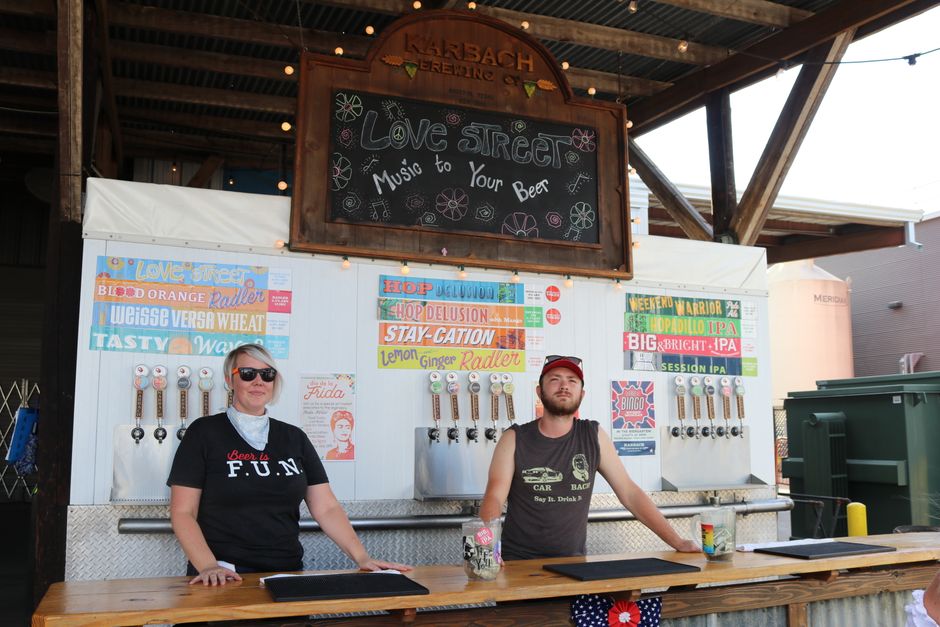
Taprooms have become much more than places to grab a craft beer. Their rise as social hubs is tied to how they host events that foster communal experiences and provide reasons to keep coming back.
Seating and Layout That Encourage Interaction
Before diving into events, the physical environment sets the tone. A well-designed taproom balances bar seating, communal tables, and quieter nooks while carving out space for games or live music setups. This mix caters to a range of social moods—from intimate conversations to rowdier group celebrations—encouraging guests to move comfortably between them.
Why People Return: Events as Repeat-Visit Drivers
One of the most effective strategies taprooms use to create regular customer traffic is scheduling repeated live events. Trivia nights, local music showcases, and weekend food trucks become weekly or monthly rituals that patrons look forward to. These shared communal activities anchor the venue in patrons’ social calendars and foster a sense of belonging.
- Trivia nights: Bring together diverse groups who enjoy teamwork, friendly competition, and social banter. Local music: Provides a soundtrack that resonates with the community and often feels more authentic and spontaneous than polished commercial gigs. Food truck appearances: Enhance the event by pairing good eats with good drinks.
The Power of Crowd Energy and Shared Moments
No matter the event type, one of the key intangibles is crowd energy. The dynamic buzz of people reacting simultaneously—to a punchline, a band’s opening chord, or a trivia question’s answer—creates an atmosphere that’s impossible to simulate on a smartphone or streaming platform.
Amplified Emotions in Real Time
The immediacy of live reactions from a crowd provides a feedback loop impossible to replicate remotely. When a local band riffs a soulful solo and the room cheers in harmony, or when a trivia team shouts out a correct answer and their table erupts in celebration, those feelings stick with attendees in a way that muted applause emojis do not.
Building Community Through Repeated Shared Experiences
I'll be honest with you: regular events that attract returning patrons cultivate a sense of community. Over time, repeat visits to the same trivia night or weekend concert foster relationships, inside jokes, and a collective identity grounded in the venue and its events. It turns a spatial location into a social landmark.
Analog Games as Social Glue
Despite living in a hyper-digital world, analog games remain an indispensable tool for bonding during live events. Taprooms often provide games like cornhole, card games, or even classic board games that increase face-to-face interaction.
- Slow the pace: Analog games create natural pauses in the evening, slowing down interactions and allowing groups to engage without distractions from their phones. Encourage interaction: Physical game play invites guests to meet new people or break the ice, facilitating spontaneous social connections. Focus attention: Unlike digital mini-games on smartphones, analog games require shared attention to the same physical object, reinforcing real-world presence.
Analog Games vs. Digital Gaming in Taprooms
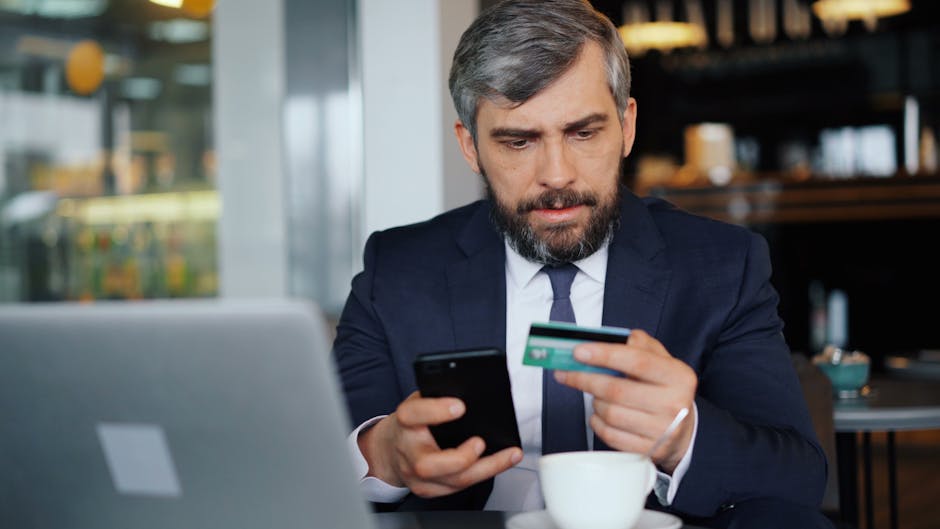
While smartphones and even mobile deposit casino apps can provide fun downtime entertainment, they're a solo or small-group activity that often disconnects players from the broader social environment. Analog games, conversely, remain inclusive and visible to anyone nearby, enhancing the overall event vibe rather than detracting from it.
Smartphones as Downtime Entertainment—A Nuanced Role
Smartphones often get a bad rap for detracting from face-to-face connections. But the truth is more nuanced. Devices are an integral part of the modern night out and fill specific social functions without necessarily becoming the 'enemy' of engagement.
Utility and Connection
Smartphones help guests manage practical needs during events: splitting tabs on Venmo, looking up trivia answers (within house rules), or discovering upcoming events hosted by the venue. They also serve as a lifeline to social groups arriving separately and a tool for capturing memories through photos or videos of the night.
Downtime and Buffer Moments
Between rounds of trivia or sets of live music, it's natural for guests to seek brief escapes. Mobile deposit casino games or casual apps provide a low-key way to pass short wait times. This doesn’t necessarily detract from the communal experience as long as it’s balanced.
Balancing Smartphone Use
Successful taproom events depend on creating environments where guests predominantly focus on shared moments rather than screens. Thoughtful event design, such as setting comfortable seating near stages or game areas, encourages interaction without forcing constant activity.
Conclusion
Live events in taprooms and similar social venues offer something that watching on a screen cannot: a tangible, shared experience shaped by crowd energy, focused social interaction, and the texture of analog moments. These elements combine to drive repeat visits and build community around local music, trivia nights, and friendly games.
Smartphones have their place as practical tools and optional entertainment during downtime, but the magic happens when people put their devices down and engage in the analog world around them. Simply put, the human elements of unpredictability, physical presence, and collective emotion make live events uniquely compelling—a reminder that some things are best experienced in person.