If you've ever attended a concert at Red Rocks Amphitheatre, you've likely noticed something distinctive about the experience — the weather often feels different here compared to downtown Denver or surrounding areas. Between the cool mountain breeze, sudden temperature shifts, and uniquely Colorado climate quirks, Red Rocks presents a weather atmosphere all its own. As a longtime local live-music blogger and former venue street-team volunteer, I’ve learned the ropes when it comes to surviving (and thriving) in this ever-shifting environment, especially with the venue sitting at a lofty elevation of 6,000 feet. Here’s a detailed run-down on why the weather is so different at Red Rocks and how you can prepare to make the most of your show.
Understanding the Impact of Red Rocks’ Elevation
Red Rocks Amphitheatre is nestled right in the foothills of the Rocky Mountains, approximately 12 miles west of downtown Denver, at an elevation of about 6,450 feet. That altitude alone changes the game for weather and temperature:
- Higher Elevation Means Cooler Temperatures: For every 1,000 feet in elevation gain, temperatures generally drop about 3.5 degrees Fahrenheit (around 2°C). So, even if it's a warm summer night down in Denver, expect a noticeable chill once you reach the amphitheater. Increased UV Exposure: At 6,000 feet plus altitude, the thinner atmosphere means more intense sunlight, so sun protection is essential even on overcast days. Rapid Weather Changes: Mountain weather is famously unpredictable, and Red Rocks is no exception. Storms can roll in quickly or clear up just as fast.
Key Takeaway:
Plan for a noticeable Red Rocks temperature drop compared to lower elevations — don’t underestimate how much layering and outerwear you'll need!
Colorado Weather: Unpredictable at Red Rocks
Colorado prides itself on having four distinct seasons, but one thing every local knows is that weather is unpredictable, especially at higher altitudes. Many concert-goers arrive expecting mild conditions only to be surprised by a sudden gusty wind, unexpected rain, or chilly temperatures after the sun sets.
Here’s what you can expect with Colorado weather unpredictable patterns at Red Rocks:
- Afternoon Sun, Evening Chill: Because Red Rocks is an open-air venue without much tree cover in the upper seating areas, the heat from the afternoon sun can be deceiving. But once the sun drops behind the ridges—often before the headliner even hits the stage—the temperature plunges quickly. You might feel comfortable in a T-shirt as you arrive but wish you’d brought a jacket come showtime. Wind and Sudden Storms: Showers or thunderstorms can develop rapidly in the foothills. Even if the weather is clear 30 minutes before the show, be prepared for quick changes. Late-Night Temperature Drop: After the music ends, temperatures often drop further, so staying warm on the post-show trek to your car or rideshare is essential.
Pro Tip: Always bring layers and a light jacket.
This isn't just a cliché Colorado saying — it’s the truth. I’ve learned the hard way that leaving behind a fleece or windbreaker at Red Rocks can be an uncomfortable mistake. A compact, packable jacket fits easily into a small bag or even your vehicle glove compartment and can be the difference between enjoying the show and shivering through it.
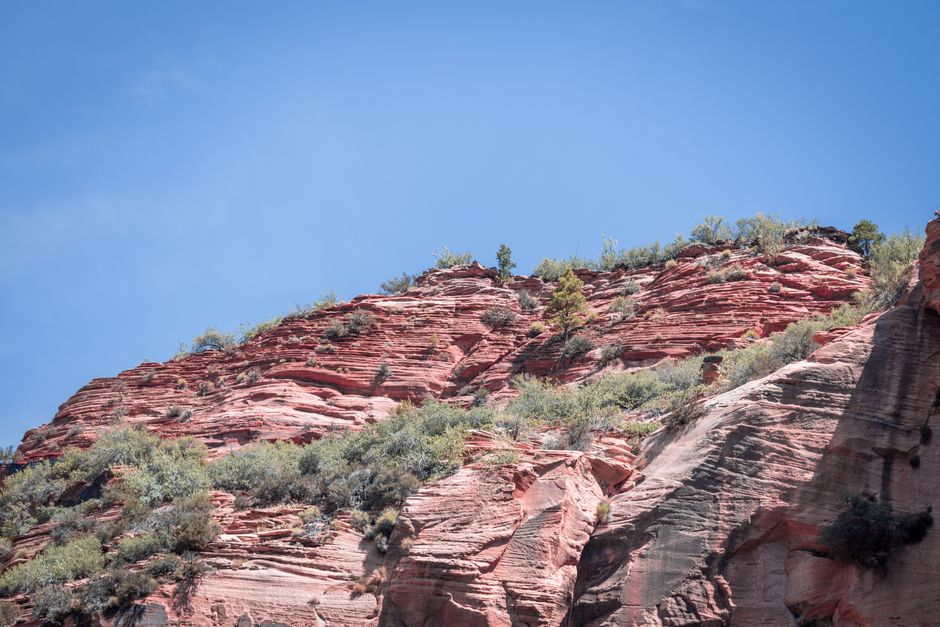
General Admission Seating Strategy: Timing Is Everything
For many Red Rocks concerts, especially popular supporting acts or festival days, general admission (GA) seating can feel like a mini climbing expedition. The amphitheater is steep with natural stone benches, and securing a comfortable spot near the stage or with the best acoustics depends on when you arrive.
Arrive early and plan for limited road access: Because it’s a national park, vehicle access is restricted, and parking can fill up fast. Gates often open 60-90 minutes before the first act, with many hardcore fans lining up well before that. Plan your arrival accordingly and prepare for potential traffic delays. Hike the steps strategically: The higher you go, the more likely you’ll find unoccupied stone benches, but the climb is steep and can be taxing after a long day or in tricky weather. For the best combination of comfort and acoustics, aiming for mid-levels provides a balance, though securing that spot means arriving early. Remember your spot is first-come, first-served: One pet peeve I have is people showing up at the last minute expecting prime seating. That rarely works at Red Rocks, so don't be that person!Photo Tip:
Use your smartphone to snap a quick photo of your seating spot when you settle in early. This can be helpful if you need to step away or meet friends later. After two shots — the view and your location — put your phone away to fully enjoy the music and atmosphere.
Comfort Hacks for Sitting on Stone Benches
One downside to Red Rocks’ naturally beautiful stone benches is that they can be hard and cold, particularly later in the evening.
- Bring a blanket or cushion: This is an absolute must. A lightweight foldable blanket or a thin cushion not only adds comfort but also acts as an insulating layer against the cool stone surface as temperatures fall. Layer for warmth: Sitting still for hours can make you chilly even if the air temp is moderate. Wear layers — consider a long sleeve base, a hoodie or fleece, and a windbreaker. Choose your seat wisely: The benches under the cover of rock formations tend to stay a bit warmer and block wind better than open seating areas.
Summary Table: Key Weather Factors and Tips for Red Rocks Concerts
Factor Explanation Preparation/Tips Elevation (~6,000 feet) Temperature drops 3.5°F per 1,000 ft above sea level Bring layers and expect cooler temps than Denver Temperature Drop After Sunset Rapid cooling once sun dips behind rocks Pack a light jacket or fleece, even in summer Sudden Weather Changes Quick afternoon storms or winds common in foothills Keep a compact rain jacket or poncho handy Stone Benches Hard seating can get cold and uncomfortable Bring a cushion or blanket for comfort and warmth Limited Road Access & Parking Traffic and parking fill early for popular shows Arrive early; plan transport; expect possible walks General Admission Seating First-come, first-served; steep stairs and tiers Line up early for ideal spots; know your stamina for climbingSharing Your Red Rocks Experience
Once you’ve conquered the weather and scored that perfect spot, capturing and sharing your Red Rocks experience is natural. I recommend taking just a couple of photos on your smartphone at peak moments (architecture, sunset views, the crowd on the steps), then putting the phone away — trust me, it’s way more fun to immerse yourself fully.
When you do share to social media, Facebook remains a great place to post live updates or tag friends who are joining you. Pro tip: share your weather prep tips too — locals and visitors alike will appreciate the heads-up.
Final Thoughts
The magic of Red Rocks lies not only in its stunning natural beauty and world-class acoustics but also in how it challenges visitors to adapt livemusicblog.com to its environment. The Red Rocks elevation 6,000 feet combined with Colorado weather unpredictable patterns makes every concert an adventure. Showing up prepared with layers, a light jacket, a comfort cushion, and plenty of patience for lines and steps will help you enjoy the experience to the fullest.
Remember: Arrive early, respect the natural setting, and embrace the cool mountain atmosphere. Next time you head to a show at Red Rocks, you’ll appreciate why the weather feels so different — and you’ll be the one smiling as the temperature drops while your favorite band rocks on.
See you at the next Red Rocks night — don’t forget your jacket!