In the digital media landscape, the metric of 'retention' is rapidly becoming a relic of the past. Ten years ago, we measured success by how often a user returned to an app within a thirty-day window. Today, that feels sluggish—almost prehistoric. In an era defined by the attention economy, the new gold standard is 'ongoing participation'.
Ongoing participation is not merely about a user launching an application; it is about the active integration of a digital environment into a user's daily life. It is the transition from passive consumption—scrolling through a feed—to active contribution, whether that be through live chats, gameplay loops, or habit-forming social rituals. As a digital media analyst tracking the evolution of livestreaming platforms and multiplayer gaming ecosystems, I’ve seen this shift redefine how publishers and developers structure their roadmaps. But what does this look like in the real world?

The anatomy of immediacy: Real-time interaction
At the heart of ongoing participation lies the concept of live interaction. Users no longer want to be observers; they want to be participants in the narrative. We are seeing this most clearly in the rise of niche, high-engagement platforms like LiveNewsChat.eu. Where traditional news outlets offer static articles, platforms that facilitate real-time, peer-to-peer discourse around breaking events are winning the battle for attention.
The success of these models is predicated on the psychological trigger of 'being there'. When a user knows that the value of the platform is tied to the current moment, they are incentivised to return frequently. This immediacy turns a standard browsing experience into a communal event. It is no longer just about reading the news; it is about debating the news while it happens, using the platform as a digital town square.
Mobile-first: The 'Always-On' paradox
The shift to mobile-first access has fundamentally altered our relationship with digital tools. Developers are no longer designing for a "session" that has a beginning, middle, and end; they are designing for "always-on" usage. Companies like mrq (mrq.com) have successfully leveraged this by creating environments that feel less like a rigid software utility and more like a fluid, mobile-native social space.
In the world of mrq, the user interface isn't just about functionality—it is about removing the friction between the user and the community. By prioritising mobile-first access, they ensure that the "barrier to entry" is negligible. If a user can join a discussion or check a live status update in under three seconds, the likelihood of that user becoming a 'daily use' advocate increases exponentially. Mobile-first isn't just a technical preference; it is a psychological necessity for ongoing participation.
The table of engagement: How platforms retain attention
Driver Methodology Impact on Participation Live Interaction Synchronous chat and real-time events Creates a "must-attend" urgency Algorithmic Curation Hyper-personalised content feeds Reduces fatigue and discovery friction Streaks & Rituals Gamified daily logins/contributions Establishes long-term habit formation Community Loops User-generated discourse & reaction Transforms passive users into active creatorsAlgorithmic personalisation: The invisible hand
If live interaction is the engine of ongoing participation, algorithms are the fuel. Reporting by Axios Tech (axios.com/technology) has frequently highlighted how the sophistication of recommendation engines is reaching a point where the content feels tailor-made to the individual’s current emotional or behavioural state.
Modern platforms use behaviour signals—dwell time, interaction frequency, and reaction patterns—to refine the user experience in real-time. When an algorithm correctly anticipates what a user wants to engage with next, it eliminates the "boredom gap" that usually causes a user to close an app. This high level of personalisation creates an experience that feels deeply personal, thereby increasing the user's emotional investment in the platform.
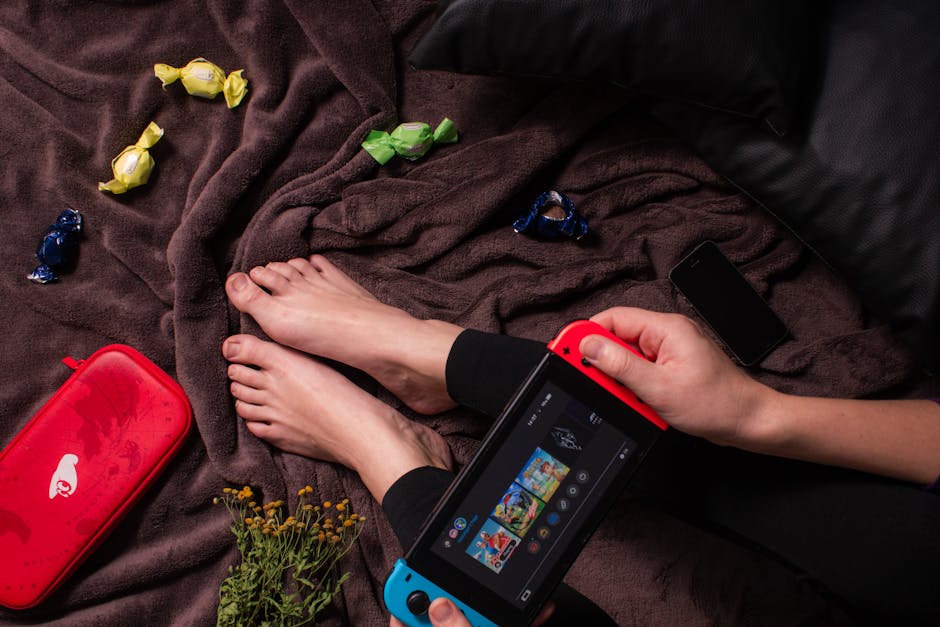
Multiplayer ecosystems and the 'Social Glue'
Perhaps the most potent driver of ongoing participation is found in multiplayer gaming ecosystems. These platforms have mastered the art of social glue. By embedding social features—guilds, shared objectives, and live events—directly into the infrastructure, developers ensure that the user’s participation isn't just about the product; it is about their peers.
When participation becomes a social obligation, retention takes care of itself. In these environments, you aren't just logging in to play; you are logging in because your "squad" is waiting for you. This is the ultimate goal of any media analyst's strategy: moving from a platform that provides a service to a platform that https://livenewschat.eu/interactive-entertainment-platforms-reshaping-online-engagement/ hosts a community.
The psychology of streaks and daily usage
We cannot discuss ongoing participation without acknowledging the role of streaks. Whether it is a gaming app requiring a daily check-in or a news aggregator rewarding consecutive days of active reading, the streak mechanism provides a simple, quantifiable goal for the user.
It taps into a basic human desire for progress. By visualising this progress—through badges, status icons, or tiered access—platforms give users a reason to return every single day, even when they might otherwise be tempted to take a break. While some critics argue this is a cynical manipulation of user behaviour, from an analytical standpoint, it is simply the most efficient method for establishing a routine. When a user reaches day 50 of a streak, the cost of "breaking" that streak becomes a powerful deterrent to churning.
Conclusion: The path forward
The future of digital media will be dominated by those who can successfully transition their user base from "occasional visitors" to "active participants." As we look at the landscape of 2024 and beyond, the winners will be the companies that provide:
Authentic Live Interaction: Creating spaces where users feel their input matters in real-time. Frictionless Mobile Access: Ensuring the platform is as accessible as a messaging app. Algorithmic Intelligence: Using behaviour signals to keep content feeling fresh and relevant. Community-Centric Design: Building social infrastructure that makes returning to the platform a communal, rather than solitary, act.Whether it is through the social dynamism of mrq, the real-time discourse of LiveNewsChat.eu, or the analytical rigour of Axios Tech's industry monitoring, the trend is clear: ongoing participation is the new imperative. I remember a project where was shocked by the final bill.. The brands that recognise this will not just capture attention; they will capture the daily habits of a new generation.