When it comes to evaluating the worth of a Rolex watch, especially in today's dynamic luxury watch market, the phrase “current comparable sales” frequently surfaces. Understanding this concept is crucial for collectors, sellers, and buyers alike to get accurate, market-driven valuations.
Defining Current Comparable Sales and Watch Comps
In simple terms, current comparable sales are recent transactions of watches that are similar—or “comparable”—to the one being evaluated. Watch comps definition revolves around identifying matches based on several key attributes:
- Reference number Dial and bezel configuration Production years Condition and completeness
By analyzing the price points achieved in these transactions—especially from recognized auction houses or established resale marketplaces—experts can pinpoint a more accurate market-based pricing for a particular model.
Why Use Market-Based Valuation Using Current Comparable Sales?
Valuations based solely on MSRP or historical retail pricing often fail to reflect the true market demand and supply dynamics. Instead, market-based valuation using current comparable sales incorporates:
- Recent sales data—prices watches actually sold for, not just listed prices. Market sentiment—how collector appetite is evolving. The impact of finite supply due to model discontinuation.
For instance, when a Rolex reference is discontinued, its finite supply is guaranteed. The watch essentially becomes scarcer over time, which can drive prices higher, particularly if demand rises following retirement. This dynamic is critical for understanding not only what similar watches have sold for recently but also the trajectory of their value.
Discontinuation Creates Finite Supply — What It Means For Value
Rolex has a legacy of retiring models that go on to become icons — examples include the Daytona "Paul Newman" and the Submariner 1680 Red. When production stops, no new watches enter the market, capping the supply.
Demand can rise after a model is retired, as collectors rush to buy examples before they become increasingly rare. This can lead to outsized price appreciation, well beyond original retail. Using role model pricing based on recent comparable sales helps analysts capture this scarcity premium.
Configuration Details Drive Price Swings
Not all Rolex watches are created equal — even within the same reference number, subtle dial, bezel, and configuration differences can cause major price variations. For example:
- Dial color and texture: rare dials like gilt or exotic variants can command big premiums. Bezel material and insert types: ceramic vs. aluminum, faded vs. crisp condition. Limited production-run features or errors (such as unique fonts or markers).
Current comparable sales that closely match these configuration details provide the most relevant pricing data. Generalized comps that ignore configuration nuances risk over- or under-valuing a watch.
Complete Sets Earn Premiums — Why Box and Papers Matter
The value of a Rolex is not justluxe solely dependent on the watch itself. A critical input in valuation is its completeness. Watches accompanied by original boxes, papers, and accessories consistently fetch higher prices—often a significant premium:
- Box and Papers: Proven authenticity and archival history reassure buyers. Completing the set can add 10-20% or more to value. Service History: A documented, factory-authorized service history can preserve functionality and originality, further boosting desirability.
When using current comparable sales to assess value, it’s essential to ensure the sales data reflects similar completeness and service status to provide accurate benchmarks.

Case In Point: The $17.8 Million Phillips Sale (2017)
A landmark event illustrating the power of recent sales data and market-based valuation is the Phillips auction sale in 2017, when Paul Newman’s own Rolex Daytona ref. 6239 achieved a staggering $17.8 million. This sale did not occur in a vacuum—preceding comparable sales of “Paul Newman” Daytonas had already established a strong market demand, scarce availability, and collector thrills.
The Phillips auction combined provenance, rarity, and condition with an energetic bidding field, pushing the watch far beyond prior comps. This example underscores how valuations based on current comparable sales are always evolving with market sensation and auction results.
Evaluation Inputs for Accurate Market-Based Valuation
To summarize, authentic and relevant market-based valuations hinge on these critical inputs:
Reference Number: The backbone identifier; different references hold very different market value profiles. Dial and Bezel Configuration: Includes color, material, special markings, and condition. Production Years: Early or late production runs sometimes have distinct pricing due to rarity or evolution in design. Completeness: Box, papers, original purchase documents, and accessories. Service History: Whether the watch has been serviced by Rolex or independent experts affects value and functionality.How to Access Recent Sales Data for Rolex Watches
For collectors and sellers seeking to understand current market valuations, several avenues exist to access relevant comparable sales:
- Auction House Results: Phillips, Christie’s, Sotheby’s publish realized prices online. Resale Marketplaces: Platforms specializing in luxury pre-owned watches provide insights into listing and selling prices. Price Databases & Aggregators: Tools that compile sales data and normalize by configuration. Expert Appraisers and Dealers: Professionals with calibrated market knowledge and access to proprietary sales histories.
Conclusion: Understanding “Current Comparable Sales” is Key to Accurate Rolex Valuation
Navigating Rolex valuation without current comparable sales data is a shot in the dark. Market-based pricing hinges on recent, relevant transactions that reflect today’s collector demand, finite supply of discontinued models, nuanced configuration details, and the completeness of the offering. Recent sales data paints the clearest picture of what a Rolex is truly worth in the market, as highlighted by eye-watering sales like the $17.8 million Phillips 2017 auction.
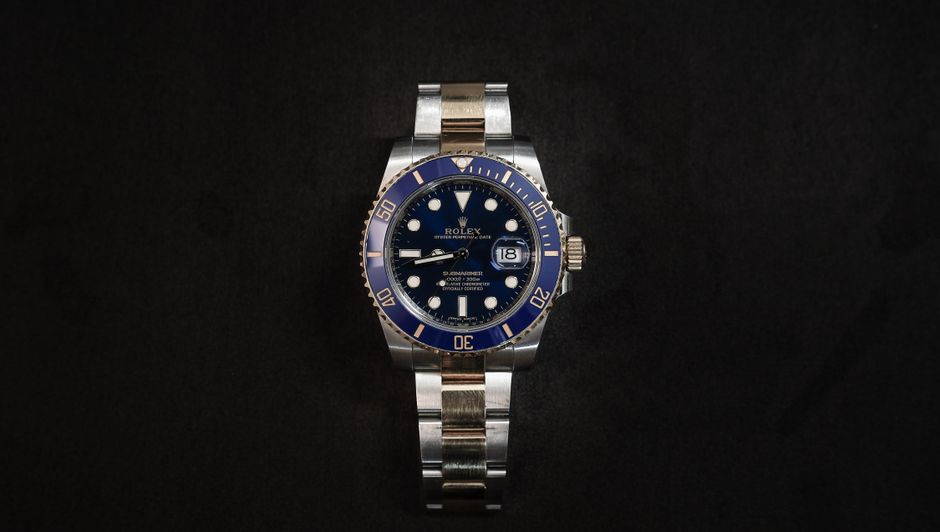
Whether you’re buying, selling, or simply appraising your prized Rolex, leveraging watch comps with these inputs empowers you with realistic, current market valuations—and the confidence to act.