I spend an embarrassing amount of my time at the local coffee shop, nursing a lukewarm latte while testing apps on my phone with the Wi-Fi throttled down to a crawl. It’s my version of a stress test. If your app can’t handle a fluctuating signal and demands a twenty-field registration form before letting me see the main menu, you aren't just annoying; you’re obsolete. My running list of “Apps That Take More Than 20 Seconds to Sign Up” is getting dangerously long, and frankly, most of them deserve the unceremonious swipe-away they get from my thumb.
In the high-stakes world of mobile gaming, we have moved past the era where users were willing to sit through a three-minute load screen just to see a splash image. Today, if you haven’t captured a user’s attention within the first few seconds of their interaction, you haven’t just lost a session—you’ve lost a potential long-term user. The demand for "instant access" isn't a symptom of Gen Z impatience; it’s a fundamental shift in how we engage with digital ecosystems.
Smartphone-First Accessibility: Gaming in the Micro-Moment
You know what's funny? the rise of the smartphone-first paradigm changed the nature of leisure. Gaming is no longer a scheduled event that happens in front of a living room console or a dedicated desktop setup. It happens in the gaps: the three minutes waiting for the bus, the elevator ride between floors, or the quiet moment before a meeting. In these environments, the user’s window of opportunity is incredibly narrow.
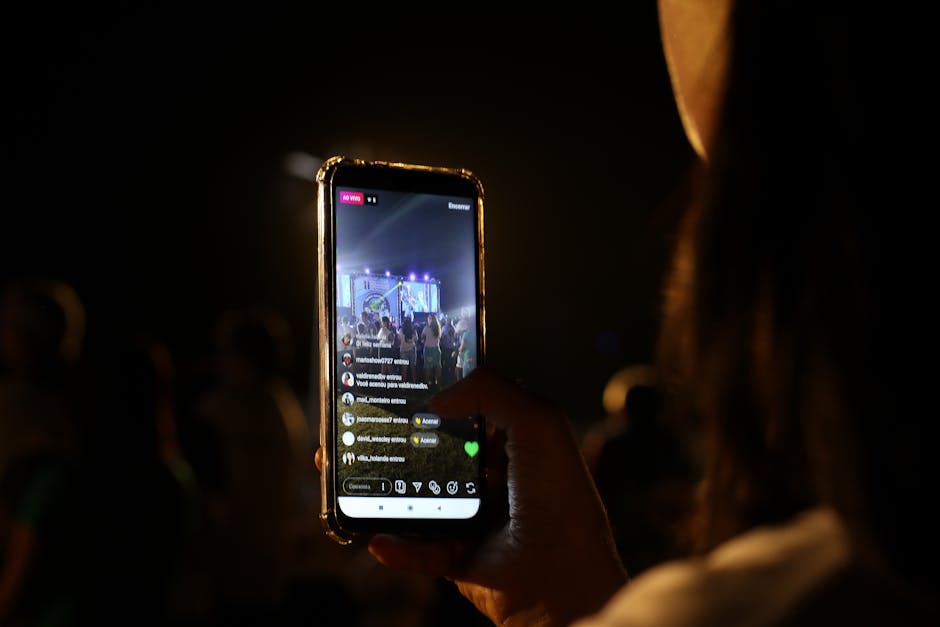
When an app requires a complex login process or a bloated initial download, it fundamentally breaks the “micro-moment” value proposition. If a player opens a game to kill time and is greeted by a “Downloading Assets: 14%” bar with no estimated completion time, they don't wait. They switch to Instagram, TikTok, or a competitor’s app. That is the definition of a lost conversion, and it’s usually the result of poor UX design.
The Anatomy of Frictionless Onboarding
To understand why fast account access is the backbone of user retention, we have to look at what actually happens during the first sixty seconds of an interaction:
- The Intent: The user taps the icon. They want to play. Period. The Expectation: The game loads state-data from the cache instantly. The Validation: If login is required, it must be handled via biometric authentication or a one-tap social integration. The Entry: The user is dropped directly into a high-value state (a lobby, a shop, or a quick-play match).
Anything that deviates from this sequence—like asking for an email confirmation before the game has even launched—is, in my professional opinion, a failure of product strategy.
The Relationship Between Fast Loading and Real-Time Gameplay
When we talk about real-time gameplay, we often focus on server latency (ping), but we rarely talk about the *user’s* latency—the time it takes for them to actually engage. In modern ecosystems, "instant access" and real-time interaction are two sides of the same coin.
If your game relies on synchronous multiplayer or live-service events, the faster you get a player into the environment, the more likely they are to perceive your game as "snappy" and responsive. A game that loads quickly feels like it respects the player’s agency. It creates a psychological loop where the player feels they are in control of their time. If the technical stack behind the app is sluggish, that lack of immediacy translates into a lack of trust. The user starts to subconsciously believe that if the menu is slow, the combat or the interactions will be buggy, too.

Convenience as a Loyalty Driver
We need to stop treating convenience as a “nice-to-have” feature and start acknowledging it as the primary loyalty driver in digital ecosystems. In the mobile gaming market, the cost of switching is zero. If App A takes 45 seconds to get to the action and App B takes 5 seconds, the user will uninstall App A 99% of the time.
Convenience acts as a barrier to exit. By minimizing the time between intent and action, developers create a friction-less habit loop. Once a user associates your app with instant, effortless gratification, they are far more likely to return, even when they have other options. This is the cornerstone of high engagement metrics.
The Impact of UX on Retention Metrics
UX Design Choice Impact on Retention Player Sentiment Single-tap Social/Biometric Login High: Users jump straight into the game. “This app is fast and easy to use.” Forced Email Registration at Start Low: High bounce rate on the signup screen. “Why do they need my data just to try this?” Background Asset Loading High: Smooth transitions between screens. “The game feels polished and responsive.” Aggressive Pop-ups on First Launch Very Low: Immediate user annoyance. “This app is cluttered and pushy.”The "Spin of Doom" and the Case for Progress Feedback
One of my biggest pet peeves as a former product writer is the "vague progress bar." You know the one: it’s a spinning circle with no percentage, no time remaining, and no indication of what’s actually happening. In a mobile environment, this is essentially a death sentence for your retention rates.
If you *must* have a loading screen—perhaps due Get more info to a massive asset update—you owe the user transparency. Use that time for something productive: show a tip, reveal a piece of lore, or allow the user to toggle settings. Never, ever just show a blank screen or a generic spinner. If the user doesn't know how long they’ll be waiting, they’ll assume the worst and assume the app is crashed. That’s when the logout or the home-button tap happens. And let’s be real—if you bury your logout button or make it hard to exit, I’m not just leaving; I’m deleting.
Final Thoughts: Why Friction is the Enemy
As we move into a future dominated by cloud gaming and ever-more complex mobile ecosystems, the premium on "instant access" will only increase. Players don't want to manage accounts; they want to play. They don't want to sit through tutorials; they want to learn by doing. Every second of friction you add to your mobile gaming app is a second you are essentially pushing your player toward a competitor.
My challenge to product teams is simple: Go to your office, find the worst Wi-Fi connection in the building, and try to sign into your own product from scratch. If you find yourself tapping your foot, waiting for a screen to load, or struggling to find the "play" button—don’t blame the Wi-Fi. Fix the UX. Your players are already judging you, and they don’t have the patience to wait for you to catch up.
Key Takeaways for Developers:
Audit your onboarding: Reduce every field, button, and pop-up that isn't strictly necessary for the first session. Implement smart login: If a user has a social account or biometric data on their device, use it. Never force manual entry if you can avoid it. Prioritize load order: Get the core loop visible immediately. Let the high-res assets load in the background while the player is already interacting with the UI. Measure "Time-to-Fun": Stop tracking metrics based on how long people stay on your login screen. Start tracking how fast they get to their first actual game match.In the digital age, speed isn't just a technical requirement—it’s a courtesy. Respect the player's time, https://bizzmarkblog.com/why-do-i-keep-getting-pulled-back-in-by-live-features/ and they’ll reward you with their loyalty.