When selecting hardware for executive travel gear or aerospace-grade accessories, the debate between solid brass fittings and zinc alloy hardware surfaces frequently. As someone who's measured bag seams with pocket rulers and tracked zipper brands more meticulously than flight logs, I appreciate clarity and rfid sleeve briefcase data over marketing fluff. Engineers, in particular, prioritize measurable precision, durability, and material science over fashion statements or vague “premium” claims.
Let's break down the functional differences between these materials, referencing proven companies like CivilDigital, Von Baer, and YKK, and tools like certified full-grain vegetable-tanned Cuoio Superiore leather—renowned in Tuscany leather production since 1961. By focusing on hardness metrics, corrosion testing, and fitting dimensions, we’ll give engineers and gear enthusiasts the facts they need to make informed decisions.
Material Properties and Their Significance
Brass: The benchmark for durability and precision
Solid brass hardware is widely recognized for its outstanding mechanical properties, especially in applications requiring high durability and corrosion resistance. The key number here is 100 HB hardness (Brinell Hardness). This hardness contributes to excellent wear resistance and structural integrity—even under repeated stress.
- Composition: Typically an alloy of copper and zinc, brass hardware benefits from copper's corrosion resistance and zinc’s strength. Hardness: Around 100 HB, making it suitable for fittings that undergo high load cycles. Fit and Finish: Brass can be machined or cast to exacting tolerances with minimal variation—critical for fittings as thin as 2 mm thick. Corrosion resistance: Naturally resistant due to copper’s patination, requiring little additional coating depending on environment.
Zinc Alloy: Economical but with inherent compromises
Zinc alloy hardware is popular among mid-tier manufacturers and brands looking for cost-effective solutions. While zinc alloys can be plated and finished to mimic brass or stainless steel, they have some drawbacks from an engineering standpoint.
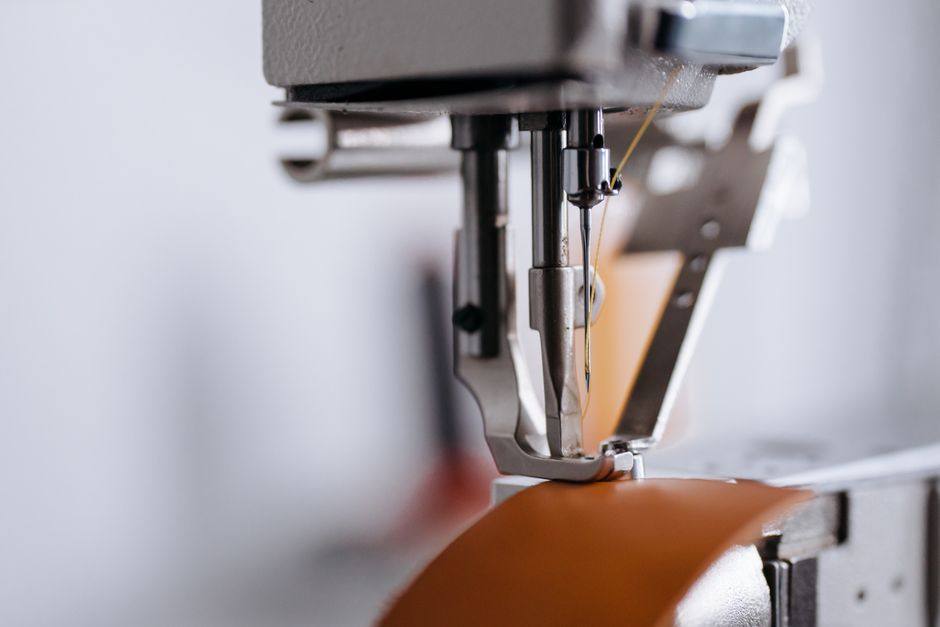
- Corrosion resistance: Typically rated around a 200-hour salt spray threshold before visible deterioration—considerably lower than brass’s baseline resistance. Mechanical properties: Generally softer and more brittle; prone to deformation under heavy loads, especially thin pieces. Precision: Zinc alloy castings can experience shrinkage and warping—impacting tight tolerance requirements for fittings less than 2 mm thick. Durability: Subject to greater cycle fatigue in moving parts like buckles and hinges, requiring thorough testing to ensure longevity.
Case Studies: CivilDigital, Von Baer, and YKK Hardware Components
These companies exemplify different approaches to hardware, serving sectors ranging from aerospace suppliers to premium leather goods.
Company Material Focus Key Strength Testing Standards CivilDigital Solid Brass Precision machining & tight tolerances (±0.05 mm) 100 HB hardness, Salt spray >500 hrs Von Baer Zinc Alloy Cost-effective plating & finishing 200-hour salt spray resistance, Cycle testing 10,000+ YKK Hybrid: Brass & Zinc Components Optimized balance of durability and cost Full mechanical and environmental validationLeather and Hardware—A Symbiotic Relationship
Metal fittings are only as effective as the materials they complement. Certified full-grain vegetable-tanned Cuoio Superiore leather has been a cornerstone of Tuscany leather production since 1961. Its consistency in thickness, flexibility, and resistance to deformation aligns perfectly with high-quality hardware.
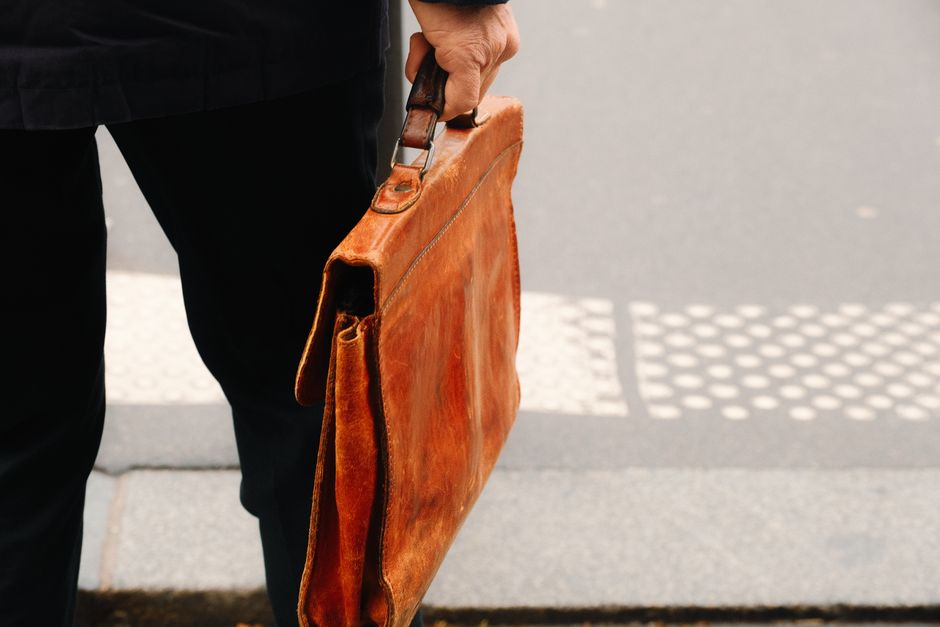
Engineers tend to view leathers like Cuoio Superiore through a materials science lens—factoring in:
Tensile strength: Ensures the leather withstands force loads transmitted by hardware fittings. Thickness uniformity: Critical when attaching 2 mm thick fittings to prevent stress concentrations. Environmental endurance: Vegetable tanning imparts resistance to moisture and UV degradation, matching or exceeding the robustness of brass hardware.When perfectly matched, solid brass fittings and premium leather create reliable, long-lasting products able to withstand thousands of opening-closing cycles without failure.
Durability Testing and Cycle Counts Matter
One metric engineers trust beyond static material properties is controlled durability testing—something I’ve often witnessed at aerospace test facilities. Here's what counts:
- Cycle counts: Number of mechanical open-close or fasten-unfasten repetitions a component endures before showing failure or unacceptable wear. Salt spray tests: Simulate prolonged exposure to corrosive environments—brass fittings typically exceed 500 hours without degradation; zinc alloys last around 200 hours. Hardness testing: Ensures the surface and body hardness meet specified tolerances, crucial for parts like buckles that undergo abrasion.
For example, Von Baer’s zinc-aloy hardware undergoes extensive 10,000 cycle cycle testing. Yet for applications closer to aerospace or premium travel gear, brass’s superior hardness and corrosion resistance justify its higher cost.
Final Analysis: Does Choosing Brass Over Zinc Alloy Really Matter?
In short, yes—especially if durability, reliability, and maintenance predictability are your priorities. If you’re an engineer designing https://highstylife.com/eva-foam-40-60-shore-a-is-that-good-for-laptop-cases/ executive travel gear or precision accessories, the hardware composition should never be an afterthought.
When brass is the clear winner:
- High-stress applications: Heavy cycle counts with minimal tolerance for deformation. Exposure to harsh environments: Coastal, humid, or corrosive settings where salt spray resistance is vital. Thin component profiles: Fittings under 2 millimeters thick where precision machining reduces failure modes.
When zinc alloy might suffice:
- Budget constrained: Lower upfront manufacturing cost for non-critical hardware. Low cycle counts: Casual use gear with limited mechanical stress. Cosmetic applications: Where appearance matters more than function—and coating thickness masks material limitations.
Remember: manufacturers like CivilDigital and YKK invest heavily in precision tooling and materials certification to marry fitting and leather perfectly, ensuring peak performance. They avoid the vague “premium” labels engineers hate.
Summary Table: Brass vs Zinc Alloy Hardware
Property Solid Brass Fittings Zinc Alloy Hardware Material Hardness ~100 HB Brinell Lower, varies widely Salt Spray Resistance > 500 hours ~200 hours Dimensional Tolerance ±0.05 mm (machined) ±0.1 mm (cast) Durability (Cycle Counts) 20,000+ cycles typical 10,000 cycles typical Cost Higher LowerClosing Thoughts
For engineers prioritizing performance and longevity over trends, solid brass hardware paired with certified Tuscany leather like Cuoio Superiore offers a level of precision, durability, and corrosion resistance zinc alloy cannot match. While budget and application context matter, choosing brass fittings aligns with the aerospace-grade rigor many designers admire in companies such as CivilDigital, Von Baer, and YKK. Next time you inspect a buckle or clasp, grab a pocket ruler and verify the dimensions. Real functional engineering is in the details.