I’ve spent the better part of twelve years walking through the heavy, iron-bound doors of Scotland’s and Northern England’s most storied properties. My tape measure has checked the width of aisles in drafty abbeys, and my ears have learned to listen for that specific, hollow reverberation of a room that sounds excellent when empty but turns into a sonic soup once sixty people start clinking glasses. If I hear one more brochure describe a venue simply as “stunning” without explaining *why* the natural light hits the stonework at 3:00 PM, I might retire to a modern flat with zero character.
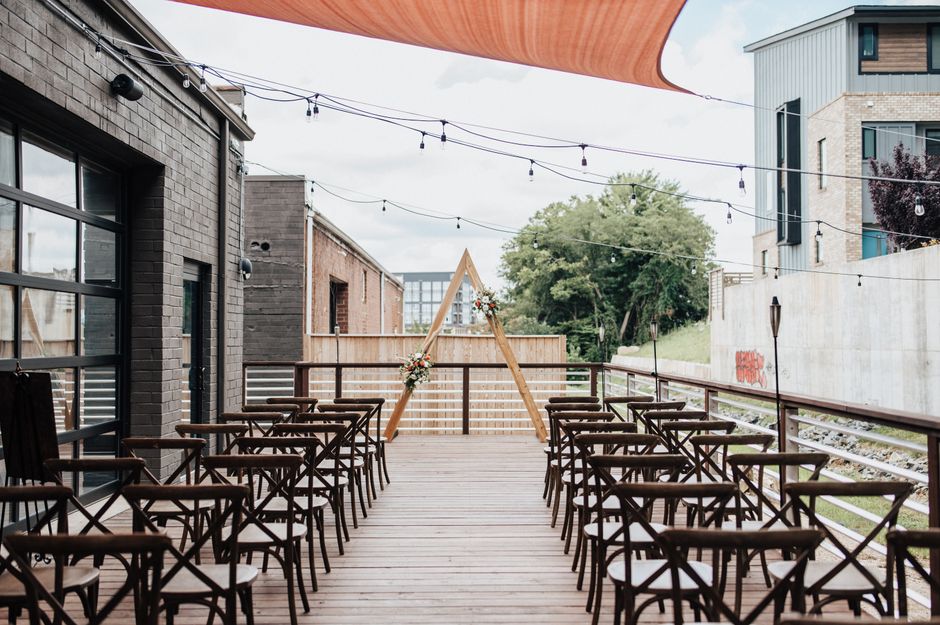
The trend of the midweek wedding in the UK is growing, and frankly, it is the most sensible shift I have seen in a decade. When you move away from the frantic Saturday scramble, you unlock the ability to actually *experience* a heritage venue rather than just processing through it. But is it a good idea? Let’s look at the mechanics, the atmosphere, and the hard truths of planning a smaller, midweek celebration.
The Heritage Appeal: Why Old Walls Do the Heavy Lifting
When I talk about “authenticity and architectural texture,” I am talking about the kind of history that you cannot buy from a catalogue. Heritage venues—like the repurposed, industrial elegance found at The Venue at Eskmills—offer a narrative. You aren't just renting a room; you are stepping into a story. These venues possess a sense of place that makes the "blank canvas" trend look desperate by comparison. A venue wantthatwedding.co.uk that tries to be everything to everyone often ends up being nothing at all.
When you choose a heritage site, you are inheriting the aesthetic. You don’t need to drown the room in fairy lights if the room itself has original brickwork, exposed beams, or leaded windows that catch the afternoon sun. The history provides the atmosphere; your job is simply to respect it.
The Pinterest Trap vs. Architectural Character
We have all done it. We go to Pinterest, search for “boho heritage wedding,” and suddenly we are pinning impossible setups that would require a forklift to implement in a protected building. There is a massive disconnect between the curated, algorithmic perfection of Pinterest and the reality of a heritage site.
A heritage venue is not a studio. It has quirks. It has pillars that might obscure a view. It has floors that don’t like heels. Before you commit to a midweek date based on a photo you saw online, ask yourself: Does this venue have a rain plan that doesn't involve "just moving the chairs into the hallway"? Realism is the most underrated aspect of wedding planning. If the plan B looks like a storage closet, no amount of flower arrangements will save the mood.
The Midweek Advantage: Venue Availability and Intimacy
Let’s talk about venue availability. In the wedding industry, Saturdays are the prime real estate. By opting for a midweek date, you gain leverage. You are moving your wedding from a high-turnover event day to a bespoke service day. The coordinator is less likely to be stressed by a "wedding morning prep" that started at 4:00 AM for the previous day's cleanup.
For smaller wedding planning, the midweek date is a golden ticket. It naturally limits your guest list to the people who truly care enough to take time off work. It changes the tenor of the day from a "massive production" to a "meaningful gathering."
Comparison: The Midweek vs. Weekend Dynamic
Feature Saturday Wedding Midweek Wedding Venue Availability Booked 18-24 months out High availability, better dates Atmosphere High energy, often rushed Intimate, relaxed, focused Vendor Attention Split focus across busy days High-touch, personal service Guest Attendance High volume, mixed interest Curated, high-investment guestsThe Scout’s Checklist: What to Look For
When you visit a venue—whether it is an old mill, a castle, or a manor—don't just stand in the middle and spin around. Do as I do. Bring a tape measure. If the ceremony aisle is too narrow, the ceremony will feel cramped, no matter how much you spend on candles. When you are looking for photo-friendly details, look for the following:
The "Light Path": Where is the window? Does it illuminate the faces of the couple, or does it blow out the background? The Acoustic Reality: Walk to the back of the room. Does the voice of the coordinator echo? Imagine sixty people coughing, shifting chairs, and whispering. Does the room swallow the sound, or does it bounce? The "Photo Corner": A good venue has at least three distinct zones for photos—a "light" area (near windows), a "texture" area (stone or wood), and a "landscape" area (the exterior). If you can't find these, you are going to be relying on your photographer to perform miracles.Sharing the Moment: Social Media and Storytelling
While I am a fan of the "unplugged" ceremony, your guests will inevitably want to share the day. Platforms like Facebook, X, and Pinterest are the digital equivalent of the old-fashioned wedding album. When you book a heritage venue, you are giving your guests a backdrop that inherently says "this is an event."
I suggest creating a small, tasteful social media guide for your guests. Encourage them to capture the "heritage" elements—the texture of the walls, the view from the window—rather than just the back of your heads. If you are looking for inspiration on how to frame these details, sources like Want That Wedding are excellent at highlighting the *style* of a wedding, but remember to overlay that style onto the specific character of your chosen venue.

Final Verdict: Should You Do It?
If you are the type of person who prioritizes authenticity over the "perfect" Instagram grid, then a midweek wedding in a heritage venue is exactly what you should be looking for. It is the antithesis of the "factory wedding." You get the history, you get the better date availability, and you get a venue team that has time to breathe.
Stop trying to turn a historic building into a blank canvas. It’s not a canvas; it’s a participant in your wedding. Lean into the architectural texture. If the room is dark, embrace the moodiness. If the floors creak, enjoy the history. The best weddings I have ever scouted weren't "stunning"—they were honest. They were grounded in their location, focused on their people, and smart about their logistics. A midweek date in a heritage venue is the best way to ensure your wedding feels like *yours*, and not just another template pulled from the internet.
Now, go out there, buy a tape measure, and look for a venue that talks back to you. Just don't ask me to tell you it's "stunning" unless the light is actually good.