I spent twelve years behind the counter of a bike shop, a period that felt more like a masterclass in parental anxiety than simple retail. I’ve installed thousands of child seats and hitched up trailers for parents who were just trying to get to the park, the grocery store, or the local school. Now, as a parenting journalist, I see the same questions popping up in forums every single day. The debate— bike trailer in traffic versus rear seat traffic safety—is the ultimate tug-of-war for parents who refuse to give up cycling just because they’ve added a tiny human to the mix.
Before we get into the weeds of axle mounts, rack compatibility, and center of gravity, I have to ask you the question I asked every single parent who walked through my shop doors: Can your baby hold their head up for the whole ride?
Understanding Readiness Milestones
It’s not just about age; it’s about biology. When we are talking about transport, we are talking about vibrations, bumps, and potential sudden stops. If your baby cannot hold their head up—and I mean *consistently* for the duration of a ride—their neck muscles are not yet prepared to handle the force of a sudden movement. This is why infant car seats have such specific recline requirements. A bike trailer or a seat doesn't have the sophisticated suspension of a luxury car, so your baby’s neck is the suspension. Most pediatricians and bike mechanics (myself included) strongly advise against putting a child in a trailer or a bike seat until they have well-developed neck and back strength, usually around the 12-month mark. If they can’t sit unassisted, they shouldn’t be in a bike seat.
Age-by-Age Breakdown
- 0–12 Months: Generally, you are restricted to walking or using a specialized cargo bike with a secured, belted-in infant bucket seat. Do not put an infant in a standard trailer or rear seat. 1–3 Years: This is the prime time for a trailer or a rear-mounted seat. At this age, they are heavy enough to feel the difference in the bike's handling, but still small enough to be easily contained. 3–5 Years: Cargo bikes, trail-a-bikes, or high-end rear seats are usually the preferred choice as the child grows heavier and more restless.
The Great Debate: Trailer vs. Rear Seat
When we look at bike trailer in traffic safety versus rear seat traffic safety, we have to look at the physics of the situation. Each has a distinct set of pros and cons that change how you interact with urban infrastructure.
The Case for the Trailer
Trailers are widely considered the safest option for infants and toddlers because of their structural integrity. They act like a roll cage. If you tip over, the trailer stays upright. Furthermore, they are much lower to the ground, which keeps the center of gravity low and stable. However, they can be difficult to see in heavy traffic. This is where the visibility flags trailer accessories become life-savers. If you are riding in traffic, a tall, bright orange flag is non-negotiable. It signals your presence to drivers who might otherwise cut the corner too can 1 year old go in Burley trailer close.
The Case for the Rear Seat
Rear seats offer much more interaction. You can hear your child, you can chat with them, and they feel more like part of the "action." They are also narrower, which makes them better for tight bike lanes or passing through bollards. The downside? If the bike falls, the child falls. That is why rear seat traffic safety relies heavily on the quality of the mounting system and the bike's frame integrity.
Installation: Respect the Manual
This is where I get a little twitchy. Please, stop skipping the manual because "it looks easy." In my twelve years of service, I’ve seen some catastrophic failures caused by "eyeballing it."
When you install a https://smoothdecorator.com/can-i-ride-with-two-kids-the-ultimate-guide-to-the-bike-train-setup/ seat, you need to follow the owner’s manual and installation torque guidance precisely. If a manual tells you to tighten a bolt to 8 Newton-meters, use a torque wrench. If you over-tighten, you risk cracking a composite rack; under-tighten, and the seat shifts mid-ride, causing the bike to become unstable. And for heaven’s sake, check the rack compatibility. Putting a seat on a "questionable rack"—one that wasn't designed for the load—is a recipe for a trip to the ER.
When I demonstrate an install, I make sure the straps click, and I count them out loud. Click. Click. If I’m not hearing those two distinct, crisp clicks, the connection is suspect. Do not settle for "close enough."
The Helmet Fit: The Two-Finger Rule
Nothing grinds my gears more than seeing a baby on a bike with a helmet pushed back on their head, straps dangling loose. A loose helmet is essentially just a decorative hat; it provides zero protection in an impact.
Follow the helmet fit checklist every single time you put the lid on their head:
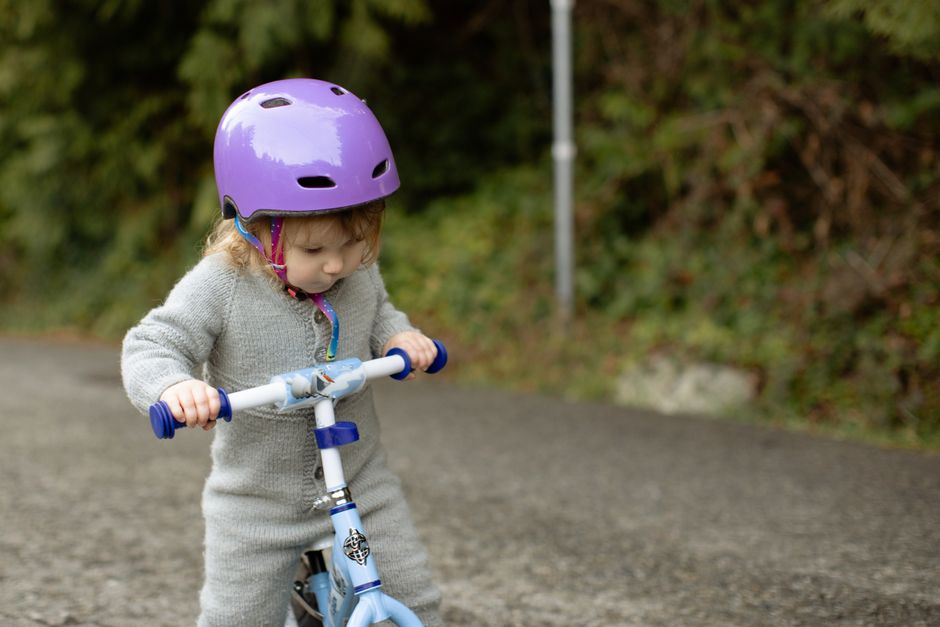

I keep a tiny checklist on my phone for pre-ride checks, and I recommend you do the same. It takes thirty seconds, and it saves lives.
Comparison Table: Choosing Your Equipment
Feature Bike Trailer Rear Mounted Seat Stability High (low center of gravity) Medium (bike becomes top-heavy) Interaction Low (child is behind you) High (child is close/audible) Protection Roll-cage and shell Straps and head support Visibility Requires visibility flags trailer Natural height/easy to see Traffic Lane Wide, needs more space Narrow, fits in bike lanesMy Professional Verdict
If you are riding strictly in high-traffic urban areas, a trailer with a high-visibility flag is generally safer due to the protected shell. However, it requires a higher level of defensive riding, as you are wider and longer. If you are riding on slower streets or dedicated bike paths, a high-quality rear seat is perfectly adequate, provided it is installed according to the manufacturer's torque specs and the child is wearing a properly fitted helmet.
Ultimately, the "safest" way to ride is to be hyper-aware of your surroundings and your equipment. Check your bolts, check your buckles, and for goodness' sake, check that strap fit. If you treat your bike and your child's seat like a piece of precision machinery—which it is—you’ll have years of happy, safe commuting ahead of you.
And remember: Click. Click. Double-check every time.