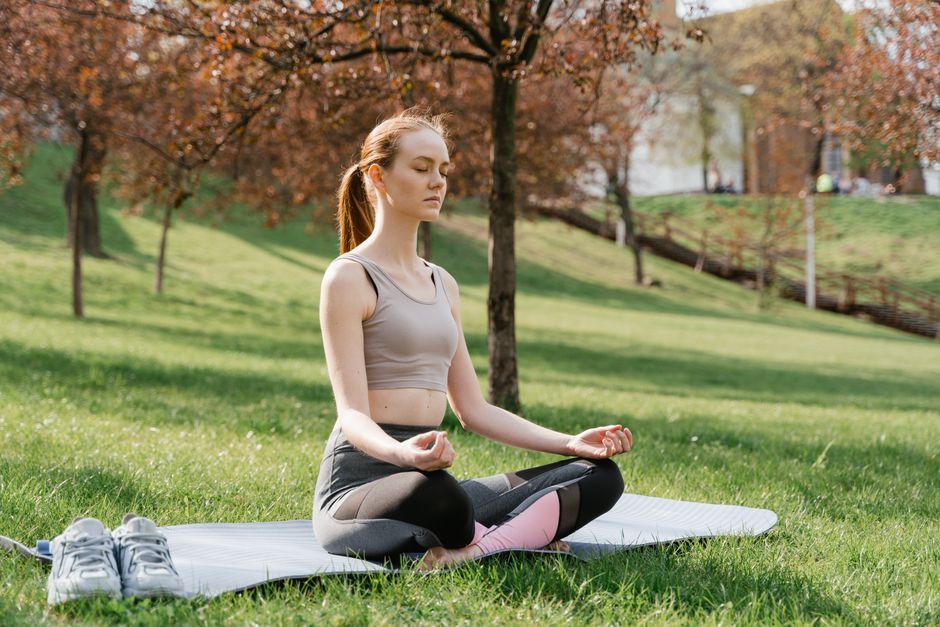
Living with persistent pain is a challenging, often isolating experience. When the usual self-care rituals – perhaps gentle stretches, mindfulness exercises, or even a good night’s sleep – don’t seem to make a dent, evening wind down routine it’s easy to feel frustrated and overwhelmed. If you’re nodding along to that, wondering what next steps to take, you’re not alone.
The lost skill of switching off in a noisy world
One of the subtle but powerful challenges in managing persistent pain is our constant connection to digital devices. Phones ping, inboxes pile up with emails, and social media beckons with endless scrolling. These distractions can keep our mind on high alert, making it harder to truly rest.
Switching off isn’t merely about turning devices off; it’s about giving your nervous system the space to calm. Persistent pain can be aggravated by stress and tension, and in our hyper-connected world, these states become all too common.
Why is switching off so hard?
- Notifications and alerts: Each ding or buzz primes our attention and makes relaxation tricky. The inbox trap: Unread emails can create a silent pressure to respond, prolonging mental “on” time. Compulsive scrolling: The endless feed keeps us locked in a loop of partial focus, preventing true downtime.
Recognising this is key — it’s not about guilt but about understanding that your brain needs actual rest, not fragmented attention.
Digital boundaries and attention: practical steps to reclaim calm
Setting boundaries with technology can feel like learning a new language, but small shifts make a big difference. Below are some gentle guiding principles I recommend:
Define “phone-free” windows: Create daily blocks of time – maybe during your after-work coastal walk or a cup of tea before sunset – when your phone stays in another room. Turn off non-essential notifications: Prioritise what truly demands your immediate attention and mute the rest. Inbox control: Limit checking emails to specific times, such as morning and early afternoon, rather than responding constantly. Replace scrolling with rituals: When the urge hits, try micro-rituals like making a hot drink, looking out to the sea, or gently stretching.Remember, these boundaries aren’t about deprivation. They are about consciously choosing moments that nurture your well-being and ease persistent pain by reducing external stress.
Coastal calm in Northern Ireland: nature as medicine
Growing up near Belfast Lough and still taking my after-work seafront loops in Bangor, I have witnessed firsthand how the ever-changing sea offers a quiet kind of therapy. The wind direction, the mood of the water shifting with the clouds, even the salt air — these all become natural touchstones that ground the mind and soothe physical tension.
When persistent pain refuses to ease, spending time by the coast can help:
- Encourage deep breathing: The fresh, bracing air invites you to slow your breath and soften muscle tension. Focus on sensory details: Notice the pebble beneath your foot, the sound of waves, the glow of sunset – these anchor you in the now. Promote gentle movement: Coastal walking offers a low-impact form of exercise which can benefit both body and mind.
Of course, not everyone lives by the sea, but even brief moments outdoors can bring elements of this calm into daily life.
Slow living as daily habits: small choices to support persistent pain
Slow living is not a trendy buzzword but a practical approach rooted in mindfulness and intention. It encourages noticing life’s pace and gently adjusting it to suit your needs rather than society’s demands.
Here are some slow living habits that can support those experiencing persistent pain:
Gather micro-rituals: Simple acts like making tea before sunset or reading a single poem can become moments of pause and pleasure. Eat mindfully: Focus on flavours, textures, and the act of nourishing your body, turning meals into restorative rather than rushed moments. Prioritise rest: Listen to your body’s cues and give yourself permission to pause without guilt. Set realistic expectations: Accept that some days will be tougher and that pacing is a necessary skill to protect your health.Persistent pain support: when to seek professional help
If you’ve tried self-care practices, adjusted your digital habits, immersed yourself in nature’s calm, and embraced slower living but still find your pain unrelenting, it’s important to seek professional guidance.
Why talk to your GP?
Your GP can:
- Perform assessments to rule out underlying conditions or complications Refer you to pain specialists, physiotherapy, or mental health support if needed Discuss pain management plans tailored to your circumstances Prescribe medications or recommend therapies to improve quality of life
The key is not to delay — persistent pain is complex and benefits from a team approach. Your GP is the gateway to that support network.

Seeking professional help does not mean self-care has failed
Far from it. Self-care is foundational, but persistent pain often needs layered interventions. Professional advice can equip you with new tools and tailored approaches, complementing the strategies you’ve explored.
Summary Table: Balancing Self-Care and Seeking Support
Aspect Self-Care Strategies When to Seek Professional Help Rest & Recovery Slow living habits, digital detox, coastal walks When pain disrupts sleep regularly or worsens despite rest Mental Wellbeing Mindfulness, micro-rituals, attention to digital boundaries When low mood or anxiety intensify alongside pain Physical Health Gentle exercise, pacing activities, nutrition awareness When mobility declines or new symptoms emerge Pain Symptoms Self-monitoring patterns, journaling, gradual adjustments When pain becomes persistent, unmanageable, or changes in natureFinal thoughts
Living with persistent pain is undeniably tough. But it’s crucial to remember that while self-care forms an essential foundation, it doesn’t have to be the whole answer. Recognising when you need extra support, talking to your GP, and combining professional guidance with your daily rituals can offer you a path forward.
And if you can, take a moment to step outside – maybe along a Northern Ireland coastline – breathe in the shifting wind’s mood, and allow yourself that elusive yet precious calm.