In my decade covering the intersection of runway trends and the pragmatic side of garment sourcing, I’ve seen enough "premium" cotton t-shirts unravel after three washes to know that the industry is rife with buzzwords. When you are sourcing for a brand, a corporate rollout, or a community project, you aren’t just buying fabric; you are buying the physical manifestation of your reputation. If you’re sourcing bulk apparel and you’re relying solely on a slick digital landing page, you are walking into a trap.
The core question I ask before any collaboration is simple: Where will this be worn, and by whom? A uniform worn by a construction crew requires a completely different technical specification than a limited-edition merch drop for a pop-up gallery. Without answering this, you are just throwing money at generic inventory.
What Does "Wholesale T-Shirts" Actually Mean?
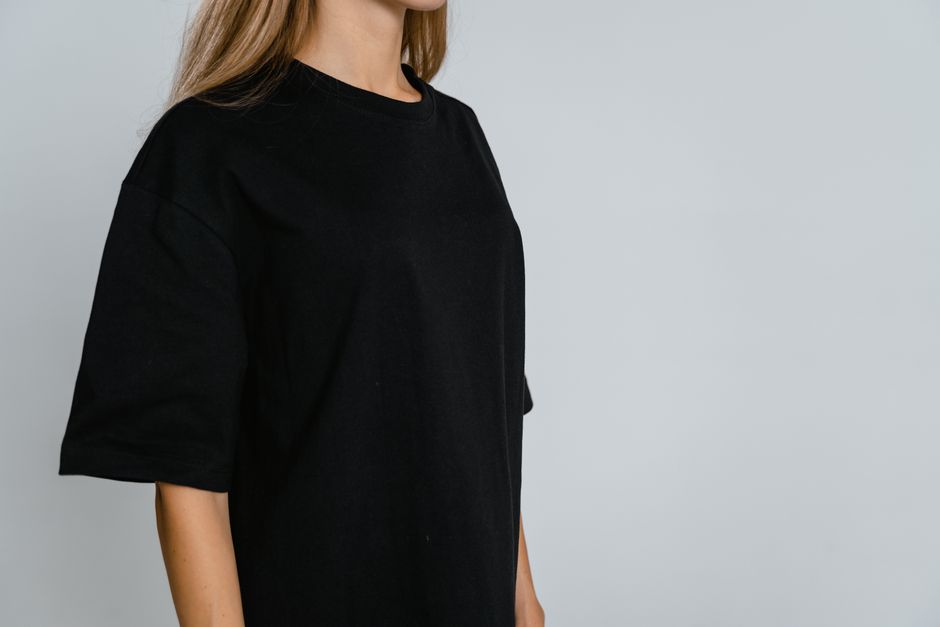
Let’s cut through the jargon. In plain terms, wholesale t-shirts refer to blank garments sold in high volumes—usually cases of 72 or more—intended for customization. They are the scaffolding of your brand. When suppliers talk about "premium quality," they are often selling you air. A truly professional supplier will provide GSM (grams per square meter) ratings, fiber composition, and country of origin.
If a supplier’s website is filled with fluff like "luxury feel" without listing the fabric weight, close the tab. You need data, not marketing copy.
The Visibility Gap: Digital vs. Physical Presence
One of the most dangerous myths in modern fashion sourcing is that an Instagram-worthy digital presence equates to manufacturing reliability. It does not. I always look for a hybrid model. Companies like teesh.co.uk (Teesh) have navigated the balance between a functional digital interface and the actual logistical muscle required to fulfill orders. But even then, the digital facade is only half the story.
If a supplier doesn't have a footprint at trade shows, events and exhibitions, they are essentially invisible to the industry’s vetting process. organic cotton bulk apparel branding Trade shows are where the industry performs its own quality control. If a supplier is present at major industry benchmarks like the Copenhagen Fashion Summit or specialized textile trade shows, they are signaling that they are accountable to their peers and stakeholders.
The Supplier Comparison Matrix
When you are vetting potential partners, don't just ask for a quote. You need to compare them based on operational logistics. Here is a baseline matrix I use to keep my clients from getting burned.
Feature The "Red Flag" Supplier The Reliable Partner Fabric Specs "Premium," "Soft," "Luxury" 180 GSM, 100% Combed Cotton Sampling Refuses or charges high fees Offers per-piece sample kit Visibility Digital-only, no physical presence Regular at trade shows and exhibitions Transparency Hidden pricing or "Contact for Quote" Clear volume-based tiersUniforms as Credibility and Trust Signals
I’ve long argued that clothing is a social signal. When your staff is wearing a branded uniform, you are projecting an image of institutional stability. A poorly fitted, inconsistent uniform—where the sizing is off or the colors don't match—destroys that credibility instantly. If you order a "standard" size and the measurements vary by two inches across a batch, your team looks sloppy. This is why supplier comparison is not just about cost; it’s about sizing consistency.

When comparing suppliers, look for a "size tolerance" document. If they can’t tell you their acceptable variance (e.g., +/- 0.5 inches), they are likely buying cheap, inconsistent wholesale lots from whoever is cheapest that week.
The Fatal Mistake: Ignoring Pricing Transparency
Let’s address the elephant in the room: No prices listed. I see this constantly on "scraped" industry lists or aggregators. If a supplier refuses to provide a baseline for their wholesale pricing, you are at a disadvantage. In the world of bulk apparel, pricing is inherently tiered based on volume. If they hide their numbers, they are either planning to price-gouge you based on how desperate you look, or they don’t actually have the inventory in stock.
Never enter into a multi-month contract with a supplier who cannot give you a price list based on volume brackets. Transparency is the bedrock of a professional business relationship.
How to Conduct Proper Quality Checks
Never commit to a bulk order without a physical sample. Period. And I don’t mean a single pre-printed sample. I mean ordering a "size run" (S through XL) from the exact stock they intend to ship you.
The Stretch Test: Pull the collar. Does it snap back to its original shape, or does it stay warped? The Weight Verification: Does the GSM match the spec sheet? Use a portable scale if you are serious about this. The Shrink Test: Wash one sample three times in hot water. If the dimensions shift significantly, the garment will fail the "credibility test" within a month of use.Final Thoughts: Sourcing is a Relationship
Finding the right partner for bulk apparel isn't about finding the "best" company; it's about finding the company that matches the logistical requirements of your specific event or business operation. Whether you staff uniform branding are browsing teesh.co.uk (Teesh) or scouting vendors at international exhibitions, remember that fashion is as much about the supply chain as it is about the design.
Stop chasing buzzwords. Start asking for specific fiber compositions, size tolerances, and physical samples. Your brand’s reputation depends on the quality of the thread, not the quality of the salesperson’s pitch.