When stepping into the world of watches, especially pre-owned luxury pieces, many first-time buyers—and even seasoned collectors—get caught up in the obvious: the dial design, the brand logo, or how flashy the watch looks in photos. Brands like Rolex and Omega often dominate conversations, and marketplaces such as The Watch Company (TWC Japan) thrive by connecting buyers with prestigious names. But if you want a timepiece that truly delivers quality and reliability in daily life, you must look deeper.
In this post, I’ll walk you through how to judge a watch beyond the dial and brand name. This means looking at the craftsmanship, manufacturing process, and those small yet vital details that affect your daily use experience. You’ll also find references to trustworthy resources, including the TWC Blog and a surprisingly relevant comparison with quality control concepts from platforms like the MrQ mobile casino.
1. Craftsmanship Beyond Function: The Heart of Engineering Quality
Good watchmaking starts upstream—long before you see a polished dial or the classic brand name stamped on the crown or caseback. The craftsmanship behind a watch is about the sum of countless small decisions the manufacturer makes, from material choice and design engineering to quality control.
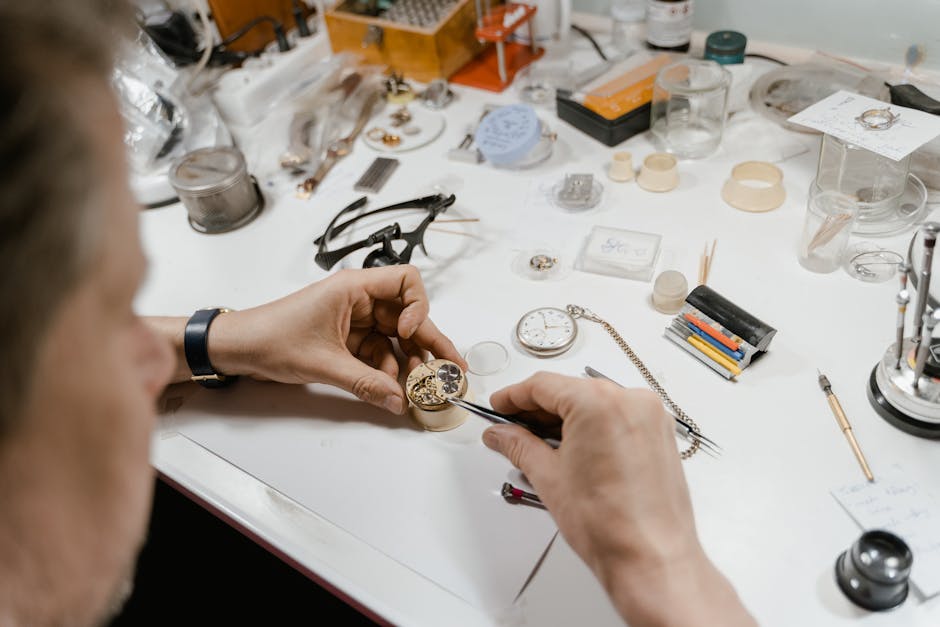
Why Engineering Quality Matters
“Built to last” is a phrase that gets thrown around frequently but rarely unpacked properly. What does it mean for you as a wearer? It means a watch’s parts—from the balance wheel to the bracelet clasp—are engineered to withstand not only time but also the rigors of daily wear, including shocks, magnetism, and moisture.
- Material Choices: Look for quality metals like 904L stainless steel or titanium, which resist corrosion and wear. Rolex famously uses 904L steel, a decision that improves longevity and luster but also demands precision machining. Movement Engineering: Beyond the brand label, examine how the movement is constructed. Omega’s co-axial calibers, for example, are designed to reduce friction, extending service intervals and maintaining accuracy. Finishing Techniques: Quality finishing is not just about looks. Polished edges, chamfered bridges, and well-executed brushing reduce wear spots and help reduce dust attraction inside the case.
Invisible Details That Affect Your Experience
Consider the crown feel and bracelet balance. Before you even mention specs, check how smoothly the crown winds and sets the time. A quality watch will have consistent, precise resistance through the crown's rotation, reflecting meticulous engineering. Similarly, a well-balanced bracelet should sit comfortably without rattling or pinching.
2. Understanding Upstream Quality Work: From Design to Quality Control (QC)
Buying a watch isn’t just about what you see on the surface; it’s a window into the upstream processes that created it. Whether browsing in Nakano or online via platforms like The Watch Company (TWC Japan), understanding these behind-the-scenes efforts helps you separate good watches from merely good-looking ones.
The Design Stage
The design phase is where the blueprint for reliability is laid out. Manufacturers invest heavily in luxury watches R&D to ensure the watch can resist shocks, maintain its water resistance over years, and keep precise time under various conditions.
Manufacturing and Assembly Precision
Top brands run stringent production standards. For example:
- Every component passes tight tolerances, sometimes measured in microns. Movement assembly often occurs under microscopes, ensuring each gear mesh and jewel placement is perfect. Rolex even owns many suppliers to keep tight control over critical parts.
Quality Control Beyond the Visual
QC isn't just about scratching off visible flaws: it’s about rigorous testing under simulated real conditions.

- Shock Tests: Ensures resistance to daily knocks and impacts. Magnetism Resistance: Vital for reliability in urban environments filled with electronics. Water Resistance Checks: Even if you never go diving, sealed cases protect inner workings from moisture and dust over years.
In fact, the precision and reliability inspection process at watchmakers often reminds me of the thoroughness seen in sectors like mobile online platforms—for example, the MrQ mobile casino—which run extensive backend and frontend quality checks to ensure flawless user experiences. Both industries go beyond the surface, addressing all potential failure points before a product reaches the customer.
3. Reliability Signs: What to Look For In Daily Use Experience
Reliability isn’t just a spec on a paper; it’s how a watch functions every day over months and years. As someone who’s worked the sales floor in Tokyo’s Nakano district and now curates guides for buyers, I’ve seen countless watches come and go. Here’s what you should check to judge reliability for yourself:
Signs of Reliable Engineering Quality
Consistent Timekeeping: While no mechanical watch is perfectly accurate like a quartz, a stable rate within its specs indicates good care and sound engineering. Smooth Winding and Setting: As mentioned earlier, the crown should feel precise, with neither excessive looseness nor stiffness. Bracelet Integrity: Check for even wear on links and secure pins to avoid annoying rattling or dropping. Case and Crystal: Examine if the lume ages evenly and if the crystal maintains clarity, not distorted by cheap coatings. Functionality Maintenance: Features like date quick-set or chronograph pushers should engage firmly and reset cleanly.Invisible Details That Elevate Daily Use
Pay additional attention to how the watch behaves on your wrist:
- Weight Distribution: A well-balanced watch won’t shift or feel lopsided after hours of wearing. Sound and Vibration: Mechanical watches have distinct sound profiles and vibrations. A smooth, consistent tick often signals good assembly. Comfort on Skin: Quality of the lug curves, case thickness, and bracelet finishing all affect comfort.
4. Long-Term Value Beyond “Investment” Buzzwords
I absolutely hate when sellers label every watch as an “investment” without explaining why. Watches aren’t stocks or bonds; their value depends on craftsmanship, desirability, condition, and rarity—not vague promises.
The long-term value comes from reliability and pride of ownership. Watches from brands like Rolex and Omega retain or appreciate value because they combine strong design choices, upstream quality controls, and proven durability. Platforms like The Watch Company (TWC Japan) emphasize this by providing detailed provenance, servicing history, and realistic wear assessments in their listings, which helps buyers make informed decisions.
The real "investment" is enjoying a watch that remains a dependable everyday companion, not one that merely looks good in a safe or on social media.
Summary Table: Judging Watches Beyond the Dial and Brand Name
Criteria What to Observe Why It Matters Example Engineering Quality Material quality, finishing, movement design Ensures durability and precision Rolex’s use of 904L steel; Omega’s co-axial escapement Upstream Quality Work Design testing, manufacturing tolerances, QC protocols Prevents failures in real-world use Stringent QC at Rolex; Microscope assembly processes Daily Use Experience Crown feel, bracelet balance, consistent timekeeping Contributes to comfort and reliability over years Smooth winding on vintage Omega; Balanced bracelets at TWC Japan Reliability Signs Resistance to shocks, magnetism, water, and wear Guarantees long life and fewer repairs Rolex Oyster cases; Water-resistant seals on Omega SeamasterFinal Thoughts
Judging a watch purely by its dial and brand name is like judging a book by its cover. When you’re investing your time and money, especially in pre-owned luxury watches, delve deeper. Consider engineering quality, upstream manufacturing decisions, and all those invisible details influencing your daily use experience.
Use resources like the TWC Blog to educate yourself and learn from experienced collectors and experts on quality indicators. And remember: reliability is the true hallmark of craftsmanship, far beyond the shine of a logo.
Next time you handle a watch—be it a Rolex, Omega, or a hidden gem from The Watch Company (TWC Japan)—trust your senses and knowledge to discover its genuine value.