I spent last night testing a new peripheral setup until about 2:00 AM, and my Oura ring report this morning was, predictably, a disaster. My sleep quality score is in the gutter, and my readiness level is barely hovering at "avoid heavy lifting." As a 12-year hobbyist gamer and a parent of three, my gaming sessions are my primary social outlet. Whether I’m dropping into a session on Xbox Cloud Gaming while waiting in the car for school pickup or hopping on Discord with friends after the kids are finally asleep, gaming is how I maintain my sanity.
But when it comes to my physical or mental health, I don't treat research with the same casual, "let's try it out" attitude I use for new hardware. We live in an era where we can research almost anything, yet healthcare remains a minefield of misinformation. Recently, I’ve had friends asking how to verify if a specialized clinic is the real deal before booking an appointment. They’re tired of the "bro-science" found in some corners of the internet. So, let’s talk about clinic research and how to navigate online healthcare education without falling for marketing hype or unverified claims.
The Gaming Analogy: Why "Normal Players" Need Better Intel
When a new title drops, we look at performance benchmarks on YouTube or check user sentiment on community forums. We want to know: What does this change for normal players? Does it run at 60fps on my hardware, or do I need a rig that costs as much as a small car? We need that same pragmatism for healthcare. When you are looking at a specialized clinic, you aren't looking for a "win condition"—you are looking for a reliable, regulated pathway to recovery or management.
Too many people treat medical clinics like a new tech gadget. They see a flashy website, high-production-value testimonials, https://dlf-ne.org/gaming-has-grown-up-why-its-more-than-just-a-teen-pastime/ and some "revolutionary" buzzwords, and they sign up. But health isn't a subscription service you can cancel if the latency is high. You need to do the background work first.

Step 1: Verify the Regulated Pathways
If a clinic is making health claims, they must be tied to a board-certified clinician or a regulated medical facility. If you can’t find the names of the doctors or practitioners on the website, stop. Close the tab.
In the US, you can cross-reference practitioners through your state’s medical board website. It’s not the most exciting interface, but it’s the only way to ensure the person holding the scalpel or writing the prescription actually has the credentials they claim to have. I often see people asking on social media, "Has anyone been to [Clinic X]?" While community input is valuable, online healthcare education should start with official registries, not just Reddit or Discord threads.
Red Flags vs. Green Flags: A Comparison
To help you sift through the noise, I’ve put together a quick breakdown of what to look for when you're clicking through a clinic’s site. Think of this like checking the specs of a console before you buy.
Feature Red Flag Green Flag Credentials Vague titles like "Health Coach" or "Wellness Guru" without medical degrees. Clearly listed board certifications and medical board license numbers. Treatment Claims Guarantees of "miracle cures" or "secret protocols." Transparent discussion of risks, side effects, and standard of care. Evidence Links to self-published blog posts or obscure "studies" they funded themselves. Citations to peer-reviewed journals and established clinical guidelines. Financials High-pressure sales tactics for expensive, upfront packages. Clear breakdown of costs and insurance acceptance.The Role of Community and Streaming Culture
We are a generation that finds community everywhere. Between the growth of mobile gaming—which has democratized access for parents and busy professionals alike—and the way we use platforms like Twitch to watch creators interact with their communities, we are used to unfiltered feedback. However, we have to be careful not to conflate "community experience" with "clinical advice."
When you jump into a Discord server dedicated to a specific health condition, you will find people sharing their experiences. This is powerful for social connection and emotional support. But it is not a clinical study. If a user says, "This clinic changed my life," take it with a grain of salt. Everyone’s physiology is different. Use these communities to find out if the clinic’s office staff is helpful or if the billing process is a nightmare, but leave the actual medical validation to the regulatory bodies.
Accessibility: Why Digital Health Research Matters
As someone who uses GeForce Now or other cloud gaming platforms to game on older hardware, I appreciate accessibility. We want high-end experiences without needing to drop $2,000 on a GPU. The same shift is happening in healthcare. Online consultations and telehealth have made specialist care accessible to people who live in rural areas or have kids and can't drive two hours for a checkup.
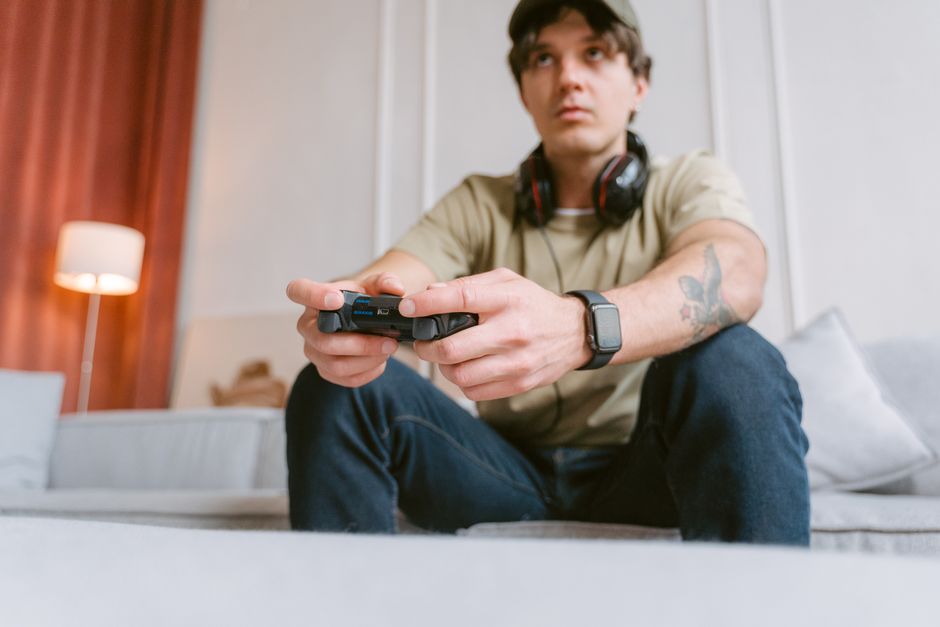
However, accessibility shouldn't mean a lower standard of vetting. When you research a clinic online, look for:
HIPAA Compliance: How do they handle your data? If their portal looks like it was built in 2005, do you trust them with your private medical history? Geographic Presence: Are they licensed to practice in *your* specific state? This is a fundamental legal requirement. Response Times: Can you actually reach a human, or is it just an automated bot loop?Avoiding the "Esports-Only" Fallacy
One of my biggest pet peeves is the insistence that gaming is only about esports or "pro-level" performance. That’s just not the reality for 99% of us. We are hobbyists. We are parents. We are casual players who just want a decent experience. The medical industry often tries to sell healthcare the same way: as if you’re training for a professional league.
Ignore the "performance optimization" clinics that promise to make you "the best version of yourself" by selling you unnecessary supplements or bio-hacking tools. Those clinics are preying on the same insecurity that gaming hardware brands sometimes exploit with over-the-top "gamer gear." A legitimate clinic Learn more focuses on treating a condition, not optimizing your existence into a product. Stick to the regulated pathways. If a clinic isn't transparent about their methods and their background, walk away.
Final Thoughts: Don't Rush the Setup
I know we’re all used to the "download now" speed of the modern digital world. When we want info, we want it instantly. But when you’re choosing a clinic, slow down. Treat your research with the same rigor you’d use if you were putting together a high-end build. Check the credentials, verify the regulation, and listen to the community—but remember that your doctor is the only one who can actually diagnose you.
And for those of you also juggling kids, work, and gaming: if you find yourself staying up too late, do yourself a favor and track your sleep for a week. You might be surprised at how much that "one more round" on Steam is impacting your readiness for the next day. Stay healthy, stay skeptical of marketing hype, and keep gaming, but keep it in perspective.
Disclaimer: I am a gamer and a tech enthusiast, not a doctor. This post is for informational purposes only. Always consult with a licensed healthcare professional for medical concerns.