Whether you’re a seasoned cue sport enthusiast or simply fascinated by the craftsmanship behind your favorite table, the fabric beneath every billiard ball tells an intriguing story. The terms “billiard cloth,” “baize,” and “felt” get tossed around willy-nilly in conversation — and to anyone who’s handled an old table or restored a vintage set, such imprecision sets teeth on edge. Today, let’s run our hands over the textures, scrutinize the fibers, and unveil what truly separates billiard cloth from baize — with occasional detours into leatherwork inspired by bridle harnesses, and why green felt isn’t the only green in the game.
The Hands Know Before the Eyes See: Feeling Baize vs Felt
Right away, I have to address a pet peeve: calling every green cloth “felt.” Baize is often mistakenly lumped in with felt — a wool-based textile with a somewhat matted, dense surface. Baize, by contrast, is a loosely woven wool or wool-blend fabric with a distinct nap — that is, it has a directional texture you can feel with a soft brush or simply by running your hand gently across the surface.

One handy tip: never vacuum baize. Using a vacuum on baize disturbs the nap and can cause permanent flattening and rough patches. Instead, a soft brush, used gently with the nap, will remove dust and chalk without compromising the delicate directional fibers. This difference in maintenance reveals early on that baize is alive in the hand, while felt can feel dead and flat.
Baize vs Felt: The Key Differences
Characteristic Baize Felt Material Loose woven wool or wool blend Matted wool fibers; condensed and dense Nap Noticeable, directional Usually none or very slight Surface Feel Soft, textured; responds to brushing Smooth, uniform, flat Maintenance Soft brush only; no vacuuming Can be vacuumed carefullyWorsted Cloth: The Modern Workhorse
Unlike baize’s somewhat rustic tradition, modern billiard cloth is predominantly worsted cloth — a finely woven wool fabric with minimal nap, designed specifically for predictable ball roll and a controlled card stop.
What exactly makes worsted cloth superior for serious play? Its smoothness and the near absence of nap mean that the cue ball behaves predictably, reducing drag and fuzziness caused by directional fibers. This gives players a consistent surface that rewards precision with reliability, a clear advantage over traditional baize for professional tables.
Companies like Mr Q have developed worsted cloth carefully sourced and finished to exacting standards, ensuring that players from amateur to pro experience that elusive blend of glide and control.
Why Directional Nap Matters
If you do find yourself on a baize-covered table, don’t underestimate the importance of the nap's direction. Rolling balls will subtly accelerate or slow, depending on whether they’re moving with or against the nap — a quirk that can either frustrate or reward attentive players. This nuance also affects card games played over the same cloth, where the “controlled card stop” is essential for clean dealing without slips or sticking.
Green Cloth: Tradition or Necessity?
Ever wondered why green has become the default color for pool and billiard tables? The choice traces back to the game’s origins in repurposed outdoor lawn games played on grass. The green cloth was meant to simulate natural turf indoors. While today’s colors range widely, green still reigns supreme, blending tradition with the minimum distraction for players’ eyes.
The Victoria and Albert Museum archives some of the earliest textile samples and historical notes on table coverings, showcasing the evolution from coarse green baize to sleek worsted cloths layered with painstaking care.
Bridle Leather: A Heritage of Harsh Wear
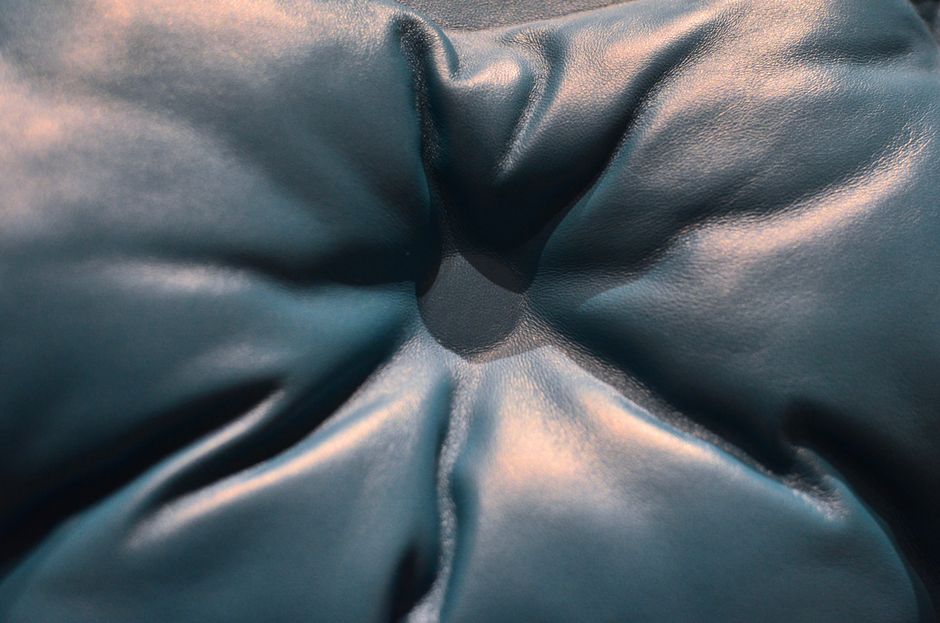
Turning from cloth to leather, another unsung hero in the billiard world is bridle leather — bestleather.org a stiff, durable leather traditionally used for horse harnesses. It’s commonly found on table pockets and rails, prized for its combination of firmness and smooth finish. The natural structure of bridle leather provides both resilience and an elegant appearance that ages gracefully.
Restorers and upholsterers often point to BestLeather.org as a key resource for understanding the nuances of bridle leather — from sourcing the right hides to choosing tanning methods that enhance longevity without sacrificing suppleness.
Artisanship in Leather Finishing: Skiving, Burnishing, and Invisible Edges
Quality leatherwork hinges on three main techniques:
- Skiving: Thinning the edges of leather pieces so that seams overlap smoothly without bulky ridges. This technique is vital for achieving clean, barely visible joints on pockets and rails. Burnishing: Polishing the edges after skiving to smooth and seal the leather, preventing fraying and creating a glassy finish that invites the hand’s touch. Invisible Edges: The holy grail of fine leatherwork, where joints are so tight and well-finished that they disappear visually and tactilely.
In my years cataloguing and restoring furniture with leather details, I’ve learned to always keep a small soft brush in my desk drawer—not just for the baize, but also for gently keeping leather clean and free of dust. Over-conditioning leather with oils or waxes is another cardinal sin that leads to premature wear, so careful daily maintenance wins over heavy-handed treatments.
Summary Table: Cloth and Leather at a Glance
Aspect Baize Worsted Cloth Bridle Leather Material Loosely woven wool, napped Finely woven wool, minimal nap Stiff, vegetable-tanned leather Touch Textured, directional nap Smooth, even surface Firm, polished edges Maintenance Soft brush; no vacuum Standard cleaning; vacuum OK Dust with brush; avoid over-conditioning Game impact Variable ball roll; strategic nap use Predictable ball roll; professional standards Durable pockets and railsClosing Thoughts
The difference between billiard cloth and baize runs deeper than mere terminology. It’s a tale woven from centuries of clothmaking, leatherworking, and evolving player expectations. Recognizing the properties of worsted cloth offers players a consistent surface that aids accuracy and control, while the traditional baize connects us to the tactile roots of cue sports. Meanwhile, the resilient beauty of bridle leather pockets and railings remind us that every resting point for a cue or ball requires craftsmanship equal to the play itself.
Next time you find yourself standing over a table, run your hand lightly across the surface. Feel the nap of baize or the smooth weave of worsted cloth. Look closely at the leather edges — are they burnished and invisible? These details may seem small but make all the difference between a good game and a splendid one.