I was up until 2:00 AM last night finishing a questline in a survival-crafting RPG. I checked my sleep tracking app this morning—my REM cycle took a hit, obviously—but it got me thinking. People keep throwing around the phrase gaming mainstream culture like it’s some new, revolutionary shift. From my desk as a hobbyist gamer and a parent of three, I have to https://thehake.com/2026/05/modern-gaming-culture-extends-far-beyond-competitive-play/ ask: hasn't it been mainstream for a while? Or are we just finally admitting that moving pixels on a screen is just as valid as watching a movie or reading a book?
Whenever I hear marketing executives blathering on about "the next evolution of immersive engagement," I roll my eyes. Let's strip away the corporate buzzwords. As a gadget tester, I’m more interested in what this actually looks like in our living rooms. So, let’s look at the factors that have dragged gaming from the dark corners of a basement into the bright light of everyday entertainment.
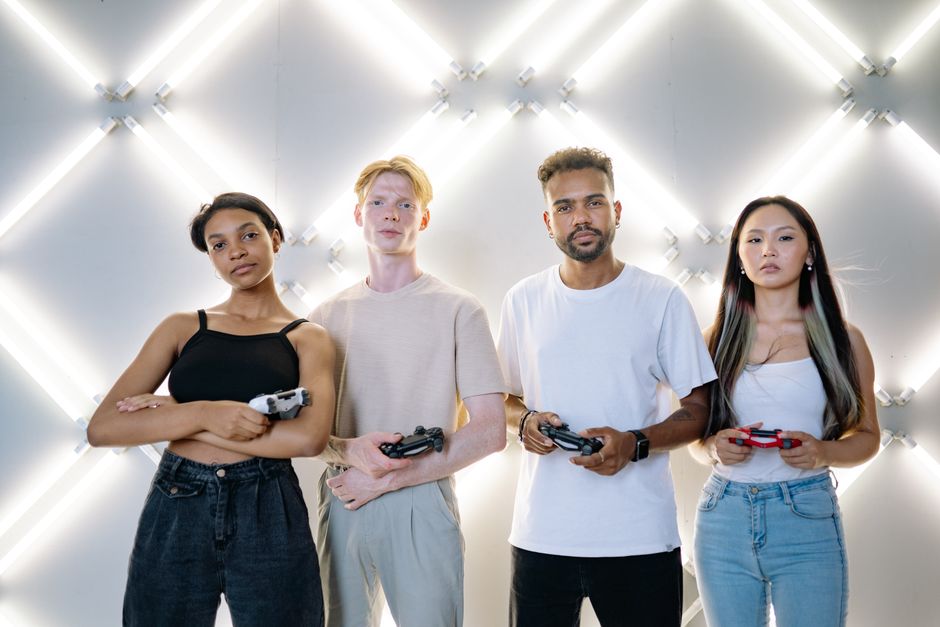
1. The Death of the "Solitary Gamer" Myth
If you still think gaming is a lonely activity, you haven't looked at a Discord server lately. The idea that we sit in silence, isolated from the world, is dead. Today, a game is often just the backdrop for a social call. Whether it’s talking to my friends while we play, or my kids coordinating with their classmates, the "game" is really just a digital third space.
What does this change for normal players? It means the barrier to entry isn't skill anymore; it’s availability. If you aren't on the community server, you’re essentially left out of the neighborhood hang-out. It’s no longer about "getting good"; it’s about being present.
Why Community Platforms Matter:
- Asynchronous Communication: You don't have to be "in-game" to feel connected to your community. Shared Context: Having a common goal creates instant rapport between strangers. Reduced Gatekeeping: Communities are self-policing, making it easier for casual players to find their tribe.
2. The Great Equalizer: Mobile Accessibility
I remember when gaming required a $500 console or a $2,000 PC. That’s a massive barrier for a family budget. But look at the landscape today. Nearly everyone has a high-performance computer in their pocket. This has led to a massive influx of multi generation gamers. My youngest plays on her tablet, and my oldest plays on a console, and I play on a PC. We are all engaging with the same cultural touchstones, just on different glass surfaces.
When you remove the need for a dedicated, expensive hardware ecosystem, you open the doors to people who would never have considered themselves "gamers" ten years ago. It’s no longer a niche hobby; it’s a standard utility.
3. Watching vs. Playing: The Creator Ecosystem
We need to talk about the massive platforms where people watch others play. You know the ones—the big streaming sites where millions tune in to watch someone else navigate a game world. Some people find this baffling. "Why watch when you can play?" they ask. But that misses the point.
People watch these streams for the personality, the commentary, and the sense of community. It’s the modern version of sitting around a campfire. These creators have become the new cultural curators. They aren't just selling a game; they’re building a lifestyle brand.
What does this change for normal players? It shifts the focus from "how do I beat this level" to "what is the narrative experience of this game?" It makes gaming a spectator sport for the masses, which has done more for its mainstream status than any technical advancement ever could.
4. Cloud Gaming: The "Hardware Agnostic" Future
I spend a lot of time testing gadgets, and there is nothing I hate more than proprietary hardware that locks you into one ecosystem. That’s why browser-based, remote server infrastructures (what we might call "cloud gaming") are so vital. Being able to stream a high-fidelity experience to a laptop that barely has enough power to run a spreadsheet is a game-changer.
By removing the requirement for a heavy, expensive machine, gaming becomes "platform-less." It becomes a service you access, like movies or music. You aren't buying the box anymore; you're buying the experience.
Factor Pre-2015 Status Modern Reality Hardware Access Expensive / Niche Ubiquitous / Mobile Social Structure Local / LAN parties Global / Community-based Engagement Active play only Active play + Spectator culture5. The Multi-Generation Reality
I am a parent of three, and I see this daily. Gaming is now a family activity. We aren't fighting over the TV for a limited resource; we are sharing titles. There are games that appeal to a 7-year-old and a 40-year-old equally. This is the definition of mainstream. When a medium can bridge the gap between a grandparent and a grandchild, it’s not a niche hobby—it’s a pillar of culture.
However, we have to be careful with the "health" claims. I see so many tech blogs claiming gaming improves cognitive function or fixes mental health without citing a single peer-reviewed study or clinical regulation. Let’s be honest: gaming is a hobby. It’s fun. It’s a way to unwind. It doesn't need to be "medicinal" to be valuable. Just keep an eye on your own sleep cycles—my notes on my own sleep quality show that I definitely function better when I shut the rig down by midnight, regardless of the "mainstream" benefits.
What Does This Actually Change for Normal Players?
If you're reading this, you might be asking: Okay, so it’s mainstream. What does that mean for me?
Higher Quality Standards: Because the audience is massive, developers have to focus on accessibility and user experience rather than just catering to the hardcore elite. Cross-Platform Progress: You can carry your progress across different devices. If you start a game on your phone and finish it on a console, that's a huge win for the average player. Normalization: You don't have to explain your hobby to your boss or your kids' teachers anymore. It’s just what people do.At the end of the day, gaming mainstream culture isn't about the technology. It’s about the fact that we’ve stopped treating it as an "alternative" to life and started treating it as an integral part of how we communicate, bond, and relax. As someone who’s been at this since I was a kid, I’m glad we’re here. Just… maybe buy a comfortable chair and watch your sleep schedule. You don't need a medical degree to know that playing until dawn is going to make you feel like a zombie the next day.

Note from the author: Yes, my sleep tracking app confirms I got 5 hours of sleep after that session. Don't be like me. Turn the screen off.