After twelve years of moderating sci-fi forums and curating watchlists for late-night marathons, I’ve learned one thing for certain: we talk about Arrival too much. Don’t get me wrong—it is a masterpiece of linguistic theory and emotional weight. But if you’re looking for first contact sci-fi that forces you to sit with your own thoughts, you need to venture further into the atmospheric woods. We’re moving past the explosions and the "we come in peace" tropes today.
Before we dive atmospheric sci fi films into the list, let’s set the ground rules. If you are going to watch these, do it right. Dim the lights, put the phone in another room, and let the sound design do the work. These films reward patience, and they aren't meant to be consumed while scrolling through a feed.

The Architecture of the Slow Burn
Why do we seek out "slow" cinema in an era of constant stimulation? It’s about pacing and mood. When a director decides to eschew a frantic editing pace, they are inviting the audience to inhabit the world rather than just observe it. In first contact films, the "alien" is often a mirror for our own anxieties. If the pacing is too fast, the mirror shatters. If the pacing is deliberate, we start to see our own reflections.
Great thoughtful alien movies rely on sound design that feels tangible. Whether it’s the hum of a monolithic structure, the unnatural silence of a rural field, or the mechanical whir of an oxygen scrub, the audio landscape defines the immersion. When you remove the noise of a blockbuster, you start to hear the story being told in the spaces between dialogue.
Our Curated First-Contact Watchlist
The following titles are chosen for their ability to explore alien communication films through a lens of identity, memory, and existential dread. These aren't just movies; they are exercises in observation.
1. Contact (1997)
While some purists might argue it’s "mainstream," Contact remains the gold standard for bridging the gap between faith and empiricism. It’s a film that demands we look at the stars with both a telescope and a heart. The pacing is meticulous, focusing on the bureaucratic and personal hurdles of reaching out into the void. It’s not about the aliens showing up; it’s about what we are willing to sacrifice to talk to them.
2. Solaris (1972 - Tarkovsky)
If you want to understand the true potential of the genre, you watch Andrei Tarkovsky’s Solaris. This is the definition of rewarding patience. The film is a sprawling, meditative look at how an alien intelligence—in this case, a living ocean—manifests our deepest regrets. The cinematography is languid and haunting. It doesn't use jump scares; it uses the weight of history and the fluidity of memory to unsettle you. If you go into this expecting a Star Wars adventure, you will be bored. If you go in expecting a philosophical excavation, you will be changed.
3. Under the Skin (2013)
This is a masterclass in atmosphere. The sound design is oppressive, minimalist, and deeply unnerving. It touches on identity and the alien experience of being human in a way that is profoundly uncomfortable. There is very little dialogue. Instead, the film relies on the visual language of the streets of Scotland and the abstract, dark voids created by the protagonist. It’s a film that feels like it’s peeling back your own skin.
4. Prospect (2018)
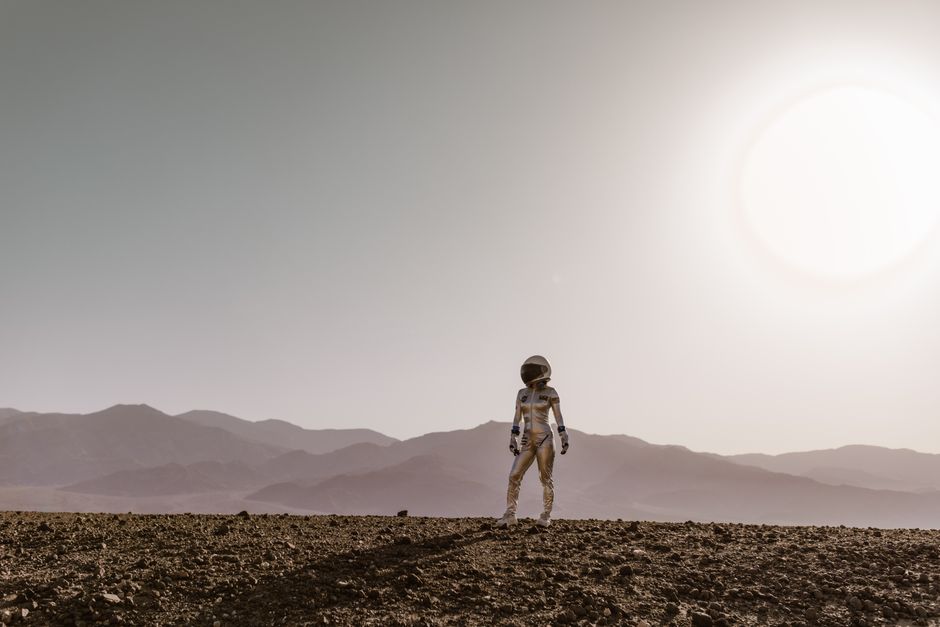
For those who love tactile, gritty world-building, Prospect is a hidden gem. It feels like the outer-rim cousin of a classic space western, but it focuses heavily on the transactional nature of contact. It explores the desperation of people living on the fringe of civilization. The cinematography captures the claustrophobia of a space suit and the alien nature of a toxic forest floor with incredible precision. It’s a grounded, low-budget miracle of design.
Comparative Overview
To help you decide which mood you’re in, here is a quick breakdown of how these films handle their core themes:
Film Primary Theme Pacing Style Cinematic Focus Contact Science vs. Faith Steady, investigative Large-scale observation Solaris Memory & Identity Extremely slow, meditative Psychological landscape Under the Skin Alienation/Empathy Abstract, hypnotic Visceral/Minimalist Prospect Survival/Greed Deliberate, grounded Tactile world-buildingWhy Patience is the Ultimate Tool
Many viewers complain about the "lack of action" in these films, but that criticism misses the point. When you ask a filmmaker to craft a film about *first contact*, you are asking them to solve a fundamental human impossibility: how do we talk to the "other"? If you resolve that quickly with lasers or a quick handshake, you’ve trivialized the event.
The thoughtful alien movies on this list require you to do the heavy lifting. They give you the atmosphere, the sound, and the visual cues, but they leave the emotional labor to you. When the film ends, you shouldn't feel like you've just been entertained—you should feel like you've been transported. That shift in perspective is only possible if you respect the film's pacing.
Final Thoughts
We need more cinema that treats the audience as intelligent participants rather than passive consumers. Whether it's the haunting, melancholic beauty of *Solaris* or the stark, gritty reality of *Prospect*, these films offer a glimpse into the unknown that stays with you long after the credits roll. Don't rush them. Let the mood settle in. Let the silence speak as loudly as the characters.
If you enjoyed this deep dive, consider sharing it with your own sci-fi reading group or fellow film nerds. Let’s keep the conversation going, but keep it quiet—no need to shout when we’re contemplating the cosmos.
Share on Facebook Share on X (Twitter)